After Ignoring My Car’s Warnings for Years, This System Finally Made Maintenance Effortless and Private
Imagine driving down the highway, your dashboard flashing alerts you’ve ignored for weeks. You don’t know what they mean, when to act, or who to trust with your car — or your data. I used to dread vehicle maintenance, fearing expensive repairs and invasive tracking. But everything changed when I found a smart reminder system that simplified care, protected my privacy, and gave me real peace of mind. This isn’t just about oil changes — it’s about taking control. It’s about feeling confident behind the wheel, knowing your car is looked after without you having to become a mechanic or hand over your personal habits to some faceless app.
The Chaos Before: Living with Uncertainty and Stress
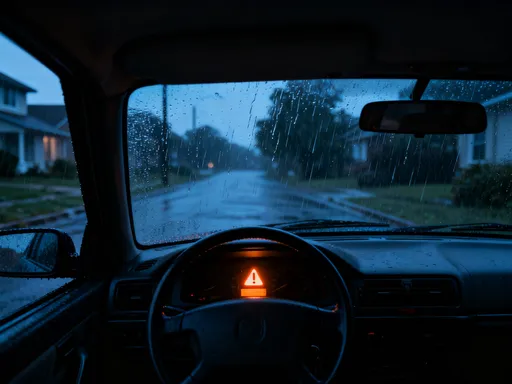
There was a time when I treated my car like a mystery box — as long as it started in the morning, I figured everything was fine. I ignored that little orange wrench symbol for months, telling myself it could wait. Then one rainy Tuesday, the engine sputtered on the way to pick up my daughter from school. I made it, but barely. That night, I called a mechanic, who said the issue was likely a failing sensor — something that could’ve been caught early. The repair cost more than triple what a timely check would’ve been. That moment stuck with me, not just because of the money, but because of the fear. What if we’d been farther from home? What if something worse had happened?
This wasn’t the first time I’d paid the price for avoidance. I once skipped a tire rotation because I didn’t have time, only to realize six months later that two tires were nearly bald. Another time, I took my car in for a strange noise, and the mechanic listed five 'urgent' fixes — three of which I later learned were unnecessary. It wasn’t just the cost that bothered me; it was the powerlessness. I didn’t understand the lingo, couldn’t tell real problems from upsells, and felt like I was either overpaying or risking safety. Every warning light felt like a judgment: 'You’re not taking care of this properly.'
And it wasn’t just mechanical stress — it was mental clutter. I had sticky notes on the fridge, reminders in my phone, a paper log in the glovebox I never updated. I’d forget appointments, second-guess my driving habits, and feel guilty about neglecting something so essential. My car wasn’t just a vehicle; it was how I got my family where they needed to go, how I ran errands, how I sometimes stole a quiet moment for myself. Letting it slide made me feel like I was failing in small but meaningful ways. The uncertainty chipped away at my confidence, and the cycle of ignore-repair-repeat left me exhausted.
Discovering the Right System: A Personal Turning Point
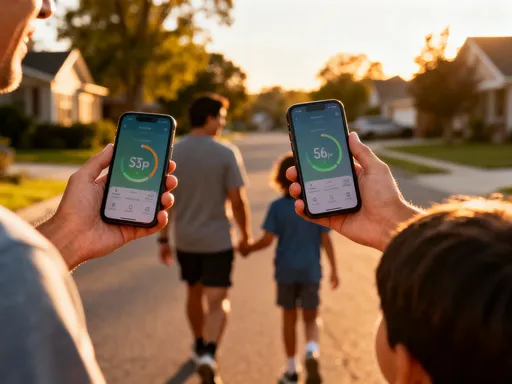
The shift started quietly. A friend mentioned she’d started using a small device that plugged into her car’s diagnostic port — the one near the steering wheel most people don’t even know exists. She showed me her phone: a clean app with a simple dashboard showing oil life, tire pressure, and next service due in 1,200 miles. 'It tells me what to do, when to do it, and I don’t have to think about it,' she said. I was skeptical. I’d tried apps before — clunky ones that demanded constant updates, sent spammy ads, or required me to log every fill-up and tire check. This sounded too good to be true.
But curiosity won. I ordered a similar system, one that got good reviews for being simple and private. When it arrived, it was smaller than I expected — about the size of a USB stick. I plugged it in, downloaded the app, and followed the setup steps. Within minutes, it synced with my phone and pulled real-time data from the car: engine health, battery status, even driving patterns. The first alert? 'Oil change recommended in 300 miles.' Not a flashing light, not a vague symbol — a clear, calm message. I didn’t panic. I didn’t feel judged. I just felt… informed.
What surprised me most was how quickly I trusted it. Unlike past tools that felt like homework, this one felt like a quiet companion. It didn’t overwhelm me with data. No graphs, no technical terms I didn’t understand. Just simple summaries: 'Your brakes are wearing normally,' 'Tire pressure is stable,' 'Next inspection due in two months.' Over time, I noticed fewer surprises. No more guessing if I’d hit 7,500 miles since the last oil change. No more debating whether that odd sound was serious. The system didn’t replace my mechanic — I still take my car in — but it gave me the confidence to ask the right questions and know when something was truly urgent.
How It Works: Technology That Understands Real Life
You might be wondering — how does it actually work? Think of it like a fitness tracker, but for your car. Just as your smartwatch monitors steps, heart rate, and sleep, this little device keeps an eye on your vehicle’s vital signs. It reads data directly from your car’s computer — the same system that lights up those dashboard warnings — and translates it into plain English. No decoding symbols. No Googling error codes at midnight. Instead, it learns your driving style. If you mostly take short trips in town, it knows the engine doesn’t warm up fully as often, so it might suggest an oil change sooner. If you drive long highway miles, it adjusts the timeline accordingly.
The magic is in the personalization. Older systems sent generic alerts based on mileage alone. This one considers how you drive, where you drive, even weather patterns in your area. It’s not just counting miles — it’s understanding context. And because it’s always on, it catches issues early. Once, it flagged a slight drop in battery voltage. I hadn’t noticed any problems — the car started fine — but the app said the battery was weakening and might fail in cold weather. I replaced it during a routine visit, avoiding a potential breakdown when temperatures dropped. That kind of foresight isn’t just convenient — it’s protective.
Another big relief? No more manual tracking. I used to forget to write things down, or lose receipts, or misplace my service log. Now, every maintenance event is automatically recorded. When I get an oil change, I just mark it in the app, and the system resets the countdown. It even stores digital copies of repair records. Selling my last car was easier because I could show the buyer a complete, timestamped history. No more 'I think I changed the oil last spring' — just clear, reliable proof of care. It’s like having a personal assistant who never forgets, never judges, and always has your back.
Security First: Knowing My Data Stays Mine
Let’s be honest — one of my biggest hesitations was privacy. I’ve read the headlines. Apps that track your location, sell your driving habits to insurers, or share data with third parties. I didn’t want my commute times, favorite routes, or weekend getaways turned into data points for someone else’s profit. That’s why I was so careful in choosing a system that put security first. The one I use doesn’t store my location history. It doesn’t share data with advertisers. It doesn’t even require me to create a social media-style profile. Everything is encrypted, and I control what gets shared — if anything.
The setup made this clear from the start. When I installed the app, it asked for only essential permissions — access to the device via Bluetooth, nothing more. No contacts, no photos, no microphone. It doesn’t track my speed or driving behavior beyond what’s needed for maintenance insights. And if I want to pause data syncing, I can — with one tap. That level of control made all the difference. I don’t feel watched. I don’t feel like I’m trading privacy for convenience. Instead, I feel protected. My routines — school drop-offs, grocery runs, the occasional solo coffee drive — stay mine. The system uses just enough data to help, not to exploit.
I also appreciate that it doesn’t force me into a subscription model with hidden fees. Some systems lock advanced features behind paywalls or require monthly fees just to access basic alerts. Mine offers core functions for free, with optional upgrades that are genuinely useful — like roadside assistance integration or maintenance cost estimates — but never pushy. There’s no pressure, no fine print, no feeling of being trapped. It’s refreshing to use technology that feels honest, that respects my time and my boundaries. In a world where so much feels designed to extract data, this small tool feels like a rare exception — tech that serves me, not the other way around.
The Real-Life Impact: More Than Just a Well-Maintained Car
The benefits go far beyond a smoothly running engine. Yes, my car lasts longer, performs better, and holds its value. But the real change is in how I feel. I’m no longer anxious about dashboard lights. I don’t dread service appointments. I don’t lie awake wondering if I missed something important. That mental shift has been profound. I used to see car care as a chore — one more thing on an endless to-do list. Now, it feels like an act of care — for myself, for my family, for the life we build together.
Take our last family trip. We drove six hours to visit my sister. In the past, I would’ve spent the first half of the trip worrying — was the tire pressure okay? Was the coolant level stable? This time, I checked the app before we left: 'All systems normal. Battery strong. Next service due after trip.' I relaxed. We played music, talked, enjoyed the ride. When we got back, the system reminded me to schedule a checkup — gentle, not urgent. That peace of mind is priceless. It’s not just about avoiding breakdowns; it’s about reclaiming joy in the everyday.
And the savings add up. I’ve avoided at least two major repairs since using the system — one potential transmission issue caught early, another related to brake fluid contamination. Even small things, like timely air filter replacements, have improved fuel efficiency. Over a year, that’s hundreds of dollars saved. But more than money, it’s the time I’ve gained. No more double-checking logs, no more last-minute panic calls to mechanics, no more sitting in waiting rooms unsure if I’m being overcharged. I’m in control. I decide when to act, who to trust, how to care. It’s not perfection — I’m still human — but it’s progress. And that makes all the difference.
Simple Steps to Get Started (Without Overthinking It)
If you’re thinking about trying something like this, I’ll be honest — I almost didn’t start because it felt overwhelming. I thought I’d need to research brands, compare specs, learn tech terms. But it was much simpler than I expected. Here’s what I did: I looked up which systems were compatible with my car’s make and model — most manufacturers have a list online. I picked one with good privacy policies and easy setup. It arrived in two days. I plugged it into the OBD-II port (it’s usually under the dash, near your left knee), downloaded the app, and followed the prompts. Total time? Less than ten minutes.
I started with basic alerts — oil changes, tire pressure, battery health. I didn’t turn on every feature at once. I let myself get used to it. After a few weeks, I added service reminders and digital record storage. The app even suggested a trusted local mechanic based on reviews, but I wasn’t forced to use them. I could still go to my regular shop. The key was beginning small. You don’t need to be a tech expert. You don’t need to understand engine codes. You just need to care a little — and let the system do the rest.
If you’re unsure, try it for a month. Many systems offer free trials or money-back guarantees. Use it like a test drive — see how it fits your life. Does it reduce stress? Does it give you clearer information? Does it respect your privacy? Those were my deciding factors. And if it’s not right, you can unplug it anytime. No harm, no pressure. But I’ll say this: for me, it was one of the smallest changes that made the biggest difference. It’s not flashy. It doesn’t wow at dinner parties. But every time I start my car and see that everything’s in order, I feel a quiet sense of relief. That’s worth more than any gadget could promise.
A Smarter, Calmer Way to Drive — and Live
Looking back, I realize this wasn’t just about fixing a car — it was about changing my relationship with responsibility. So much of life feels reactive: we wait for problems to arise, then scramble to fix them. With this system, I’ve learned to be proactive in a gentle, sustainable way. It’s not about perfection or constant vigilance. It’s about having a little help, a quiet nudge when it’s time to act. It’s about doing enough — and trusting that’s enough.
And in a strange way, it’s become a form of self-care. When I take care of my car, I’m also taking care of my time, my peace, my family’s safety. I’m saying, 'This matters. I matter.' The system doesn’t do the caring for me — I still make the choices, still take the car in, still pay attention. But it removes the noise, the guesswork, the fear. It gives me space to breathe. In a world that often feels too fast, too demanding, too uncertain, that’s a rare gift.
So if you’ve been ignoring those dashboard lights, if you’re tired of the stress and the surprises, I want you to know — there’s another way. You don’t need to become a car expert. You don’t need to sacrifice your privacy. You just need one small tool that understands real life. Let it help you stay ahead, stay safe, stay calm. Because you deserve to drive with confidence — not just in your car, but in your choices, your care, your life. The road ahead doesn’t have to be stressful. It can be simple. It can be quiet. It can be yours.