What If Your Phone Could Quietly Organize Your Whole Life?
Have you ever felt overwhelmed by clutter—papers piling up, receipts lost, to-do lists forgotten? What if the phone in your pocket could quietly handle it all? Not with magic, but with smart, simple habits using tools you already have? This isn’t about mastering complex apps—it’s about small, daily moments where scanning transforms chaos into calm. Let’s explore how turning real life into digital order can make your days feel lighter, clearer, and truly yours.
The Morning Chaos No One Talks About
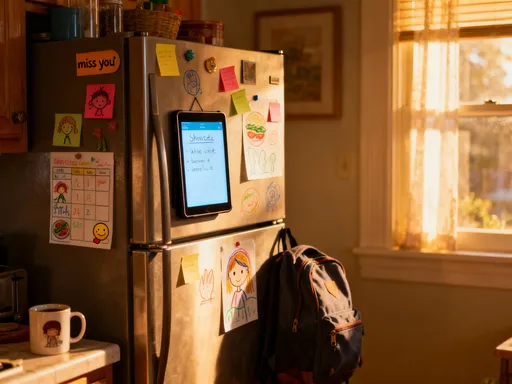
You know the scene. It’s 7:45 a.m., the toast is burning, and someone can’t find the permission slip for the school field trip. Your youngest is asking for their library book, which you’re sure you packed yesterday, and the dog just knocked over the stack of mail you meant to sort last weekend. You open the drawer where you *thought* you put the car warranty, but instead, you find last year’s insurance bill and three expired coupons. Your heart starts to race. You’re not just looking for paper—you’re chasing peace of mind.
This kind of morning isn’t rare. It’s routine for so many of us. We’re raising families, managing homes, maybe working jobs or volunteering, and somewhere along the way, the weight of physical clutter starts to feel emotional. That stack of unopened envelopes? It’s not just mail. It’s guilt. That pile of art projects from your kids? It’s love, yes—but also the quiet stress of not knowing how to keep it all without your living room turning into a storage unit. We’re not disorganized because we’re careless. We’re overwhelmed because the world keeps adding to our plates, and no one hands us a system to keep up.
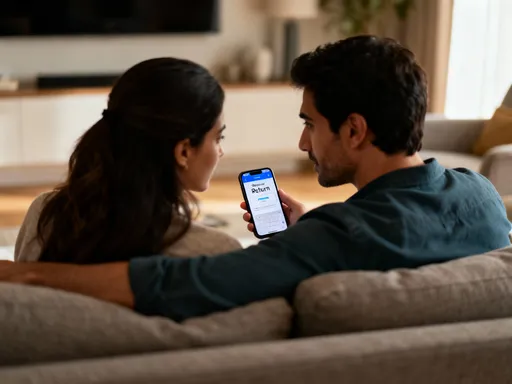
But what if the tool to change that was already in your hand? Not a fancy planner, not a $200 organizational course—just your phone. The same device you use to check the weather, text your sister, or scroll through recipes could also be the quiet hero of your morning routine. Not by doing something flashy, but by helping you capture, store, and find anything in seconds. Imagine opening one app and pulling up that permission slip while your coffee brews. No panic. No guilt. Just calm.
That shift—from chaos to calm—starts with one simple idea: your phone can be more than a distraction. It can be your assistant, your memory, your peacekeeper. And it begins with something so small you might not even think of it as tech at all: taking a photo.
Meet the Tool You’re Already Holding
Let’s be real—most of us don’t want another app. We don’t want to learn a new interface or pay for a subscription that feels like a guilty pleasure. The good news? You don’t need to. The tools to organize your life are already on your phone, built right into the Notes app, the camera, or whatever digital notebook came with your device. iPhone users have Notes with free scanning. Android? Google Keep or Samsung Notes do the same. And they’re not just for taking pictures—they’re smart.
Here’s how it works, without the jargon: when you take a photo of a document, your phone doesn’t just save an image. It reads the words. This is called optical character recognition, or OCR. Think of it as your phone growing a pair of digital eyes that can see and understand text—handwritten notes, typed letters, even smudged receipts. That means if you snap a photo of your child’s spelling test, later you can search “spelling” or “Friday” or even “homework” and find it instantly. No flipping through folders. No guessing where you left it.
Let me tell you about Sarah, a mom of two in Ohio. She used to keep a shoebox of receipts under her desk. “I told myself I’d sort them ‘someday,’” she said. “But someday never came.” Then her accountant asked for last year’s medical expenses, and she spent three hours digging through that box. Frustrated, she tried scanning one receipt into her Notes app. Just one. The next day, she did two. Within a week, she was scanning everything—receipts, school forms, even her grocery list. Now, when her son asks, “Did we sign the form for the science fair?” she smiles, pulls out her phone, types “science fair,” and shows him the scanned copy in less than ten seconds.
That’s the power of using what you already have. No extra cost. No learning curve. Just a small change that replaces anxiety with confidence. And the best part? It’s not about being tech-savvy. It’s about being kind to your future self. Every scan is like leaving a note for the you who will be rushing in the morning: “Hey, I’ve got this. You’re safe.”
From One Scan to a Daily Ritual
So you’ve scanned one thing. Great. Now, how do you make it a habit? Because let’s be honest—most of us start strong and fade fast. We download an app with excitement, use it twice, and forget. The secret isn’t motivation. It’s routine. And the easiest way to build a new habit is to attach it to one you already have.
Behavioral scientists call this “habit stacking.” But you don’t need a degree to use it. You just need a moment in your day that’s already automatic—like hanging up your coat when you come home, or sipping your morning tea. That’s your anchor. Now, pair your new habit with it. For example: “After I unpack my bag, I scan any paper that came with me.” Or: “After I pay a bill, I take one extra second to snap a photo before I file it.”
Think about how you handle mail. Most of us open it, toss the junk, and set aside the rest with good intentions. But then life happens. The stack grows. Instead, try this: open your mail at the kitchen table, deal with what needs action, and as you finish each piece, scan it. Just one tap. That’s it. No extra time, no extra effort—just a tiny addition to what you’re already doing.
Another mom, Lisa from Portland, started by scanning her daughter’s vaccination records after her pediatrician visit. “It felt important, so I did it right then,” she said. “Then I realized, why not do the same with the next thing? And the next?” Now, she scans school newsletters, permission slips, and even birthday party invitations. “I used to lose track of dates,” she admits. “Now, if my husband asks, ‘When’s the school play?’ I don’t say ‘I don’t know.’ I say, ‘Let me check.’ And I find it in seconds.”
That’s the magic of consistency. One scan does almost nothing. But one scan every day? That builds a safety net. It’s not about perfection. It’s about progress. Some days you’ll forget. That’s okay. Just start again. The goal isn’t to be flawless—it’s to be free. Free from the mental load of wondering, “Did I save that?” Free from the panic of searching at the last minute. And that freedom starts with a single, repeatable action.
How Scanning Quietly Strengthens Family Life
Let’s talk about something deeper than receipts and forms. Let’s talk about memory. About connection. About the little things that make family life beautiful—and how easy it is to lose them.
Remember the first drawing your child made for you? The one with the lopsided heart and scribbled “I love U Mom”? You probably still have it somewhere. Maybe it’s on the fridge. Maybe it’s in a drawer. Maybe it’s buried in a backpack from two years ago. And now, when you want to show it to a relative or frame it for their birthday, you can’t find it. That’s not just a missing paper. It’s a missing moment.
Scanning changes that. It doesn’t replace the joy of holding a crayon drawing in your hand. But it does protect it. One quick photo, saved in a folder called “Kids’ Art” or “Memory Lane,” and that moment is preserved. Forever. No fading colors. No coffee stains. No lost backpacks. You can still keep the original if you want—but now, you’re not risking the memory.
And it’s not just about art. Scanning helps families stay in sync. Think about how many times you’ve said, “I thought you had the form,” or “You never told me about that event.” Miscommunication happens, not because anyone’s failing, but because we’re all busy. But when you scan the school calendar at the start of the year and share it with your partner, both of you have the same information. When you snap a photo of the dentist appointment and save it in “Family Health,” you don’t have to rely on memory or sticky notes.
One mom told me, “Before, my husband and I were always out of step. I’d sign a form, he’d think I hadn’t. Or he’d book a doctor’s visit, and I’d double-book the kids. It caused little fights. Now, we both have access to the same digital files. We don’t blame each other. We just check the phone.”
That’s the quiet power of scanning. It’s not just about organization. It’s about harmony. It removes friction. It builds trust. And it gives you back something priceless: the ability to be present. Instead of spending energy managing paper, you can spend it hugging your kids, laughing with your partner, or just breathing deeply in a calmer home.
Building a Second Brain Without the Hype
You’ve probably heard the term “second brain” floating around—some high-tech system for storing every thought and idea. And honestly? It sounds exhausting. Who has time to build a digital brain?
But what if I told you that your second brain doesn’t need to be complicated? That it can be as simple as a few folders on your phone? That every time you scan something, you’re not just saving paper—you’re giving your future self a gift?
Here’s how: create a few basic folders in your Notes or Keep app. Call them things like “Warranties,” “Medical Records,” “School Stuff,” “Ideas,” “Recipes,” or “Tax Info.” When you scan something, drop it in the right folder. That’s it. No tagging. No complex systems. Just simple, searchable order.
Let me tell you about Maria, a teacher and mom of three. Last winter, her oven stopped working the night before a big family dinner. She needed the manual to troubleshoot. She remembered she’d scanned it when she bought the oven—on a whim, not knowing why. She opened her phone, typed “oven,” and there it was. In less than a minute, she’d reset the system and saved the meal. “I cried,” she said. “Not because the oven was fixed—but because I didn’t have to panic. I felt capable. In control.”
That’s what this is really about. It’s not about being hyper-productive. It’s not about doing more. It’s about feeling safer. Lighter. More like yourself. Every scan is a small act of care—like putting a blanket on the bed before winter, or charging your phone before a long day. You’re not doing it for today. You’re doing it for the version of you who will need it later.
And over time, something shifts. You stop feeling like life is chasing you. You start feeling like you’re ahead. You make better decisions because you have the information you need. You sleep better because you’re not lying awake wondering, “Did I save that insurance number?” This isn’t tech for the sake of tech. It’s tech for the sake of peace.
Overcoming the Hurdles That Stop Most People
Let’s be honest—starting is hard. Even when we know something will help, we hesitate. “I don’t have time,” we say. Or “I’ll do it later.” Or “Where do I even begin?” These aren’t excuses. They’re real feelings. And they’re why so many of us never start—because the idea of organizing everything feels overwhelming.
So let’s break it down. First, the “no time” problem. Here’s a simple rule: if it takes less than ten seconds, do it now. Scanning a receipt? That’s one tap. Taking a photo of a form? Less than five seconds. These aren’t time-consuming tasks. They’re micro-actions. And they save you minutes—or even hours—later.
Second, the “I’ll do it later” trap. We’ve all been there. But later never comes. The trick is to do it in the moment—right after the event. Paid a bill? Scan it before you put your wallet away. Got a school notice? Scan it before you close your bag. The key is immediacy. Don’t wait. Act.
Third, the overwhelm. “Where do I start?” you ask. The answer: one category. Just one. Pick the thing that causes you the most stress. Is it receipts? Start there. Medical records? Begin with those. Don’t try to organize your whole life in a day. Build your system piece by piece. Even if you only scan one thing a week, you’re moving forward.
And if you fall behind? That’s okay. This isn’t a test. It’s a practice. Like brushing your teeth or drinking water, it’s something you do because it helps you feel better. No guilt. No pressure. Just gentle, consistent effort. And remember—you’re not doing this to be perfect. You’re doing it to be free.
The Ripple Effect of a Smaller, Smarter Life
Let’s come back to that morning—the one that used to start with panic and spilled coffee. Now, imagine it differently. You wake up. The toast is ready. Your phone buzzes with a gentle reminder: “Field trip permission slip due today.” You open your Notes app, pull up the scanned form, sign it digitally, and email it in under a minute. Your child hands you their library book. You snap a photo for backup. Your partner asks about the vet appointment. You find the confirmation in “Family Health” and read the details aloud.
Nothing dramatic happens. No fireworks. No applause. But something powerful is happening beneath the surface: your mind is quiet. You’re not carrying the weight of forgotten tasks or lost papers. You’re not second-guessing yourself. You’re not apologizing for dropping the ball. Instead, you feel calm. Capable. Present.
That’s the ripple effect of small, smart habits. One scan leads to less stress. Less stress leads to better sleep. Better sleep leads to clearer thinking. Clearer thinking leads to better decisions. And better decisions lead to a life that feels more intentional, more peaceful, more yours.
And it’s not just about you. When you’re calmer, your home is calmer. Your kids feel it. Your partner feels it. You have more patience. More energy. More room for joy. You start noticing the little things—the way your daughter laughs when she’s excited, the way your son hums when he’s focused. You’re not too busy, too distracted, too overwhelmed to see them.
Technology often feels like it’s pulling us apart—into screens, into notifications, into chaos. But used mindfully, it can do the opposite. It can hold space for us. It can carry the weight so we don’t have to. It can help us live with more grace, more ease, more love.
So the next time you reach for your phone, don’t just scroll. Pause. Look around. Is there one piece of paper that’s causing you stress? One form, one receipt, one drawing? Take a photo. Save it. Tag it if you want. Or just let it live in your notes, knowing it’s there when you need it.
Because the truth is, you don’t need a perfect system. You don’t need to master every app. You just need to start—right where you are, with what you have. And in that simple act, you’re not just organizing paper. You’re creating space for your life to breathe. For your mind to rest. For your heart to feel at home.