What If Your Goals Could Keep Up With Your Life—Instead of Falling Behind?
Remember that list of goals you wrote last January—already forgotten by February? You’re not alone. We’ve all felt the frustration of starting strong, then losing momentum. But what if tracking your progress didn’t require constant willpower or complicated spreadsheets? What if it felt natural, even effortless? Today, smart tools are quietly transforming how we grow—turning scattered intentions into real, lasting change. Let’s talk about how technology is making self-improvement not just possible, but sustainable.
The Old Way: Why We Keep Losing Track of Our Goals
I remember the January morning I sat with my favorite mug, journal open, pen poised like I was about to change my life. I wrote down everything: lose ten pounds, save $5,000, read 20 books, finally learn to cook with more than three ingredients. I was glowing with motivation. By mid-February, the journal was buried under a stack of school permission slips and grocery lists. The workout clothes stayed folded. The savings account hadn’t changed. And the only book I’d finished was a library copy my daughter forgot to return.
This isn’t failure. This is life. The truth is, traditional goal tracking wasn’t built for real life—it was built for perfect consistency, which none of us have. We rely on paper planners, sticky notes on the fridge, or apps we download with great hope and abandon in a week. These tools ask us to log every meal, every dollar, every step, every night’s sleep. They demand energy we don’t have after packing lunches, answering work emails, and helping with homework. And when we miss a day? Two days? A week? The guilt creeps in. We feel like we’ve failed. But the system failed us first.
These old methods assume we have time, focus, and emotional bandwidth to maintain them. They don’t account for the surprise doctor’s appointment, the late work deadline, or the emotional exhaustion of being the person everyone else depends on. They treat progress like a straight line when, in reality, it’s a winding path with detours, pauses, and occasional backtracking. And because they rely so heavily on our willpower—the very thing that’s drained by daily responsibilities—they set us up to fall short. The problem isn’t us. It’s the tools.
Life Happens: How Real-World Chaos Disrupts Even the Best Plans
Let’s be honest: life doesn’t follow a schedule, no matter how color-coded your planner is. One morning, you’re on track—smoothie made, journal written, yoga mat rolled out. Then the phone rings. Your child is sick. Suddenly, the entire day shifts. The workout gets canceled. The healthy lunch becomes fast food on the go. The quiet time for reflection? Replaced with doctor visits, pharmacy runs, and soothing a feverish forehead.
Or maybe you’ve planned a month of budgeting, finally getting serious about saving for that family vacation. You’ve cut back on takeout, canceled unused subscriptions, and even started meal prepping. Then the car breaks down. The repair bill wipes out half your savings goal. You feel defeated. Not because you didn’t try, but because life—unpredictable, messy, beautiful life—intervened.
These moments aren’t failures. They’re part of being human. But rigid goal systems don’t understand that. They see a missed workout as a broken streak. A skipped budget entry as a loss of discipline. They don’t recognize that you were up all night with a sick child or that you stayed late at work to support your team. They don’t offer grace. And over time, that lack of flexibility chips away at our confidence. We start to believe we’re not strong enough, not organized enough, not good enough. But the truth is, we don’t need more willpower. We need tools that understand us—our rhythms, our responsibilities, our humanity.
Enter Smart Goal Tracking: When Technology Meets Real Life
What if your goals could adapt to your life instead of the other way around? That’s exactly what’s happening with the newest generation of smart goal-tracking tools. These aren’t just digital versions of old planners. They’re intelligent systems designed to learn from you, grow with you, and support you—without adding to your mental load.
Imagine an app that knows you’ve had a stressful week at work because your sleep has been restless and your steps are down. Instead of scolding you for missing workouts, it gently suggests a 10-minute stretch session. Or a budgeting tool that notices your grocery spending went up last week (probably because the kids had friends over) and automatically adjusts your weekly limit—without judgment. These tools use artificial intelligence not to replace you, but to understand you.
They learn your patterns. They notice when you’re most active, when you tend to skip meals, when you’re likely to forget to log water. And instead of demanding perfection, they offer support. A fitness app might switch your evening run to a morning walk if it sees your calendar is packed. A reading tracker could send a cheerful reminder during your usual coffee break, when you’re most likely to open a book. These aren’t rigid systems. They’re like a kind, observant friend who knows your habits and wants to help—not pressure you.
The beauty of these tools is that they don’t ask you to change who you are. They meet you where you are. If you’re a busy mom who only has five minutes to herself, they’ll help you make the most of it. If you’re juggling work and caregiving, they’ll adjust expectations based on your real energy levels. This isn’t about pushing harder. It’s about moving forward—on your terms.
How It Works: Seamless Integration Into Your Daily Routine
The magic of smart goal tracking isn’t in complicated dashboards or endless data entry. It’s in how quietly it works in the background—like a supportive partner who handles the little things so you can focus on living.
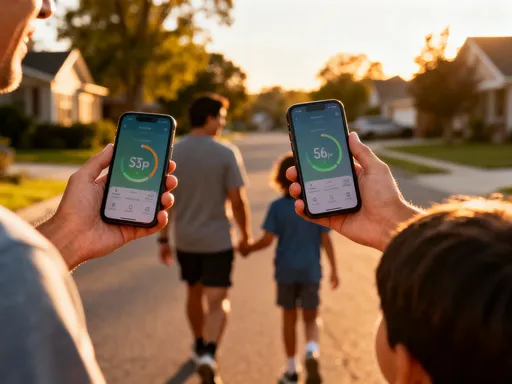
Take fitness, for example. Instead of manually logging every workout, your smartwatch counts your steps, monitors your heart rate, and even detects when you’ve gone for a walk or done a yoga session. That data flows automatically into your wellness app, which then adjusts your weekly goals based on your activity level. No typing. No effort. Just progress, recorded.
Or think about hydration. How many of us forget to drink water until we’re already tired and headachy? A smart water bottle with a sensor can track how much you drink and send a gentle reminder to your phone when you’re falling behind. Or, if you use a voice assistant, you can simply say, “Hey, I just drank a glass of water,” and it logs it for you—no app opening required.
Meal planning and budgeting can also become effortless. Some apps sync with your grocery loyalty cards or bank accounts (with your permission, of course) to track spending and suggest healthier, cheaper alternatives. Others learn your favorite recipes and automatically generate shopping lists, adjusting for sales or what’s already in your pantry. You’re not spending hours planning—you’re just living, while the tool quietly supports your goals.
And the best part? These tools integrate with the things you already use. Your calendar. Your email. Your morning coffee routine. You don’t have to carve out extra time. The feedback comes when it makes sense—like a weekly recap that pops up while you’re sipping tea on Sunday morning, showing your progress with a warm, encouraging message: “You walked 85% of your goal this week—great job showing up for yourself.” It’s not about perfection. It’s about awareness, gently woven into your day.
Real Changes, Not Just Numbers: Emotional and Personal Growth
Here’s what’s really powerful: when goal tracking stops feeling like a report card and starts feeling like self-care, something deeper begins to shift. It’s not just about the numbers on the scale or the balance in your savings account. It’s about how you feel about yourself.
Take Maria, a 42-year-old teacher and mom of two, who started using a smart wellness app after years of feeling “too busy” to focus on her health. At first, she was skeptical. But within weeks, she noticed something unexpected. The app didn’t shame her for skipping workouts during exam week. Instead, it offered a five-minute breathing exercise and said, “You’ve had a lot on your plate. Let’s reset when you’re ready.” Over time, Maria began to trust herself again. She wasn’t perfect, but she was consistent—in her own way. She started sleeping better, had more energy, and even began journaling again, not because the app demanded it, but because she wanted to.
This is the quiet transformation that smart tools can support: a return to self-trust. When you’re not constantly battling guilt or measuring yourself against unrealistic standards, you start to believe in your ability to grow. You stop seeing goals as tests of discipline and start seeing them as expressions of care—for your body, your mind, your future.
And that changes everything. You make better choices not because you’re forcing yourself, but because you feel capable. You save a little more, move a little more, rest a little more—not because a chart says so, but because you’re in tune with what you need. The technology doesn’t create the change. It creates the space for you to create it—without burnout, without shame, without the weight of perfection.
Choosing the Right Tool Without Getting Overwhelmed
With so many apps and gadgets out there, it’s easy to feel overwhelmed. Should you get a fitness tracker? A meditation app? A budgeting tool? The truth is, you don’t need all of them. In fact, starting with too much can backfire. The goal isn’t to track everything—it’s to support what matters most to you, right now.
My advice? Start small. Pick one area where you’d like a little more consistency—maybe sleep, hydration, or reading 10 pages a night. Then look for a tool that makes that easy. Does it integrate with your phone or watch? Can it log things automatically? Does it feel kind, not demanding? These are the questions that matter.
And please, don’t fall into the trap of app-hopping. It’s tempting to download a new one every time you lose motivation, but that just adds more mental clutter. Instead, give one tool a real chance—three weeks, at least—before deciding it’s not right. Many apps have customizable settings. Maybe you just need to adjust the reminders or change the tone of the messages.
Also, pay attention to privacy. Choose tools from reputable companies that are clear about how your data is used. Look for ones that let you control what’s shared and with whom. And if a tool starts to feel stressful—like it’s nagging you or making you feel worse—walk away. Technology should serve you, not the other way around.
The right tool feels like a quiet helper, not a taskmaster. It doesn’t add to your to-do list. It helps you breathe easier, stay grounded, and move forward—one small, supported step at a time.
Building a Future Where Growth Feels Natural
When I look back at that journal from January—the one I abandoned so quickly—I don’t feel shame anymore. I feel compassion. I was trying to grow in a system that didn’t support real life. And now, with tools that understand the rhythm of a busy, beautiful, unpredictable life, I know I don’t have to choose between taking care of myself and taking care of everyone else.
Self-improvement doesn’t have to be loud, dramatic, or punishing. It can be quiet. It can be kind. It can be as simple as a gentle reminder to drink water, a weekly summary that celebrates effort over perfection, or a fitness suggestion that respects your energy level.
The future of growth isn’t about grinding harder. It’s about moving forward with grace—supported by technology that sees us as whole people, not just data points. It’s about tools that don’t demand change but make it easier, one small, sustainable step at a time.
So if you’ve ever felt like your goals are always one step ahead, always out of reach, I want you to know: it’s not you. It’s the system. And now, there’s a better way. Your goals don’t have to be perfect. They just have to move forward—with you.