Beyond step counts: How skill apps quietly strengthened our family’s health habits
Living a healthier life never felt easy—until it did. I remember watching my mom forget her daily walk, my kids skip stretching after screen time, and even I’d fall off track with simple routines. But recently, something shifted. Without lectures or pressure, we all started moving more, breathing better, and actually enjoying it. It wasn’t willpower—it was a quiet change, guided by apps that taught us skills, not just tracked stats. This is how technology quietly became our family’s shared path to well-being.
The Moment We Realized Health Was Slipping
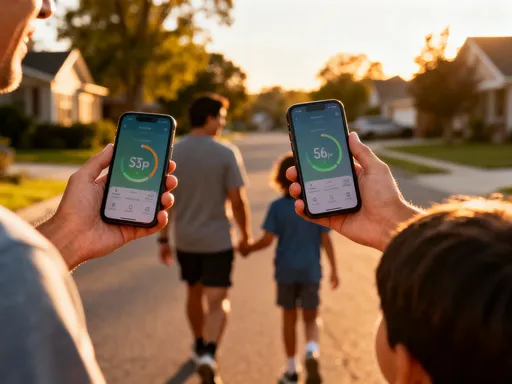
It wasn’t one dramatic moment, but a slow accumulation of small things. My younger daughter used to run ahead of us on neighborhood walks. Then one weekend, during a family hike, she kept stopping—hands on her knees, breathing hard after just a few minutes. “I’m not lazy,” she said, frustrated, “I just can’t catch my breath.” That hit me. When did this become normal? I looked around and saw the same in all of us. My older son spent hours hunched over his tablet, complaining of shoulder pain. My mom, who once walked three miles a day, now said her knees ached too much. And me? I was tired all the time, even after eight hours of sleep. We weren’t sick, but we weren’t thriving either.
We had all the information—doctors told us to move more, eat better, reduce screen time. But knowing what to do and actually doing it are two very different things. Diets felt restrictive, gym memberships gathered dust, and fitness videos on YouTube were overwhelming. We needed something that fit into our real lives, not something that demanded we overhaul everything at once. What we didn’t realize then was that the solution wouldn’t come from discipline or expensive programs, but from learning—simple, gentle, daily learning that felt less like exercise and more like growing together.
Discovering Apps That Teach, Not Just Track
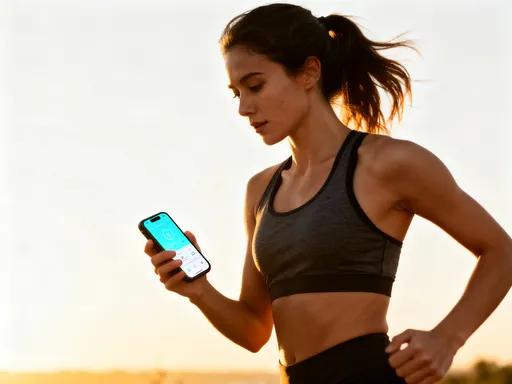
Like many families, we’d tried fitness trackers. We wore them for a week, celebrated hitting 10,000 steps, then forgot about them. The problem wasn’t the devices—it was the approach. They told us *what* we did, but not *how* to do better. Numbers like calories burned or heart rate zones meant nothing without context. How was I supposed to lower my resting heart rate if I didn’t know how to breathe properly? How could my dad improve his balance if no one showed him the right way to stand?
Then I stumbled on a different kind of app—one that didn’t focus on data, but on skills. Instead of a dashboard full of graphs, it offered short, guided lessons: “How to Stand with Better Posture,” “Breathing for Calm,” “Safe Squats for Daily Life.” These weren’t workout videos designed for athletes. They were practical, gentle, and accessible. The instructors spoke in calm voices, explained movements clearly, and emphasized form over speed. Most lessons were under ten minutes. The app didn’t shame you for skipping a day. It simply said, “Welcome back. Ready to learn something new?”
That shift—from tracking to teaching—changed everything. We weren’t being measured anymore. We were being guided. And because it felt like learning a new recipe or picking up a craft, not “working out,” we didn’t resist. I started with just five minutes a day—something small, something manageable. And slowly, so did the rest of the family.
Learning Together: Turning Health into Family Time
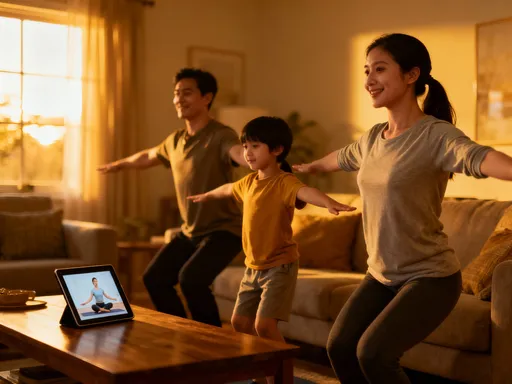
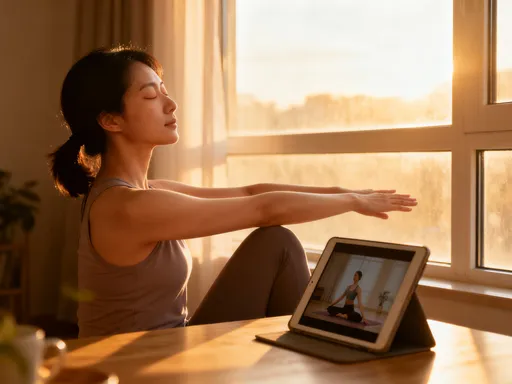
One evening, instead of everyone disappearing into their own screens, I turned on the app and said, “Hey, want to try this breathing lesson with me?” My teenage son groaned, my daughter giggled, and my mom raised an eyebrow. But we all sat on the living room floor anyway. The voice on the tablet guided us through slow inhales and long exhales. “Place one hand on your chest, one on your belly,” it said. “Feel your breath move down, like a wave.” We looked at each other, trying not to laugh as our hands bobbed up and down. But after a few minutes, something shifted. The room felt quieter. We weren’t distracted. We were just… present.
That small moment became a habit. Soon, we started doing a short mobility routine after dinner. No one had to nag. My son, who once mocked “wellness stuff,” began reminding me when we hadn’t done our session. “Mom, it’s breathwork time,” he’d say, nudging me gently. We celebrated when my dad held a balance pose for 20 seconds. We laughed when my daughter wobbled and fell over. These weren’t victories measured in pounds lost or miles run. They were moments of connection, of trying something together, of being kind to ourselves when we didn’t get it right.
What surprised me most was how these minutes became something we looked forward to. In a day full of to-do lists and notifications, this was time with no agenda—just us, learning how to move and breathe a little better. Health stopped being a chore. It became a shared language, a quiet ritual that brought us closer.
From Passive Tracking to Active Skill Building
Wearables can tell you how many steps you took. But they can’t teach you how to walk with better alignment. They can’t show you how to engage your core when you lift groceries. They can’t guide you through a breathing pattern that calms your nervous system. That’s where skill-based apps filled the gap. They didn’t just monitor—they educated. And education, it turns out, is what we actually needed.
One app we use has a series called “Everyday Movement Essentials.” It breaks down simple actions—standing up from a chair, reaching overhead, turning your body—into step-by-step movements. For my dad, who’s had knee issues for years, this was revolutionary. “I never knew I was putting so much pressure on my joints just by standing wrong,” he told me after a lesson on pelvic alignment. Now, he does two short sessions a day, and he says his knees feel stronger than they have in a decade.
My daughter uses a different module—one focused on breath and focus. Before school tests, she plays a five-minute audio guide that walks her through diaphragmatic breathing. “It doesn’t make the test easier,” she said, “but I don’t feel like my heart is going to jump out of my chest anymore.” These aren’t high-intensity workouts. They’re foundational skills—body awareness, breath control, joint stability—that build resilience over time. And because we’re learning them together, we support each other. No one judges if someone forgets a move. We just say, “It’s okay. Let’s try again.”
Real Changes, Quietly Felt
The changes didn’t come overnight. There was no dramatic weight loss, no before-and-after photos. But after a few weeks, small things started to shift. My mom mentioned, almost offhandedly, that she walked to the grocery store yesterday and didn’t need to sit down halfway. My daughter said gym class wasn’t “the worst” anymore. I started waking up feeling rested, not drained. My husband noticed I wasn’t complaining about back pain as much.
These weren’t miracles. They were the quiet results of consistent, gentle practice. The apps didn’t promise quick fixes. They didn’t say, “Do this and lose 10 pounds in two weeks.” Instead, they offered tools—practical, science-backed techniques anyone could learn. And by focusing on skills rather than outcomes, we built habits that stuck. I didn’t feel guilty when I missed a day. The app didn’t scold me. It just waited, ready when I was.
What made the difference was sustainability. We weren’t chasing a number. We were learning how to live in our bodies with more ease. And that kind of change—slow, steady, supported—doesn’t fade. It becomes part of who you are.
Making It Work: Our Simple Daily Routine
We kept it simple because life is already complicated. Our routine isn’t rigid. Some days we do it after dinner. Other days, it’s during a rainy afternoon when everyone’s restless. We use a tablet propped on the coffee table, and someone picks the lesson—rotating who gets to choose keeps it fun. Most sessions are 10 to 15 minutes. We do mobility, breathwork, or gentle strength. The app remembers where we left off, celebrates seven-day streaks with a soft chime, and sends a gentle reminder if we haven’t logged in for a couple of days.
The best part? No one feels pressured. There’s no performance. No one is “better” or “worse” at it. We all move at our own pace. My mom sits in a chair while the rest of us stand. My daughter sometimes does half the moves and still counts it as a win. The app doesn’t care. It just says, “You showed up. That’s what matters.”
We’ve even started inviting my parents over for what we call “movement tea time.” We brew herbal tea, put on a lesson, and spend 15 minutes moving and breathing together. It’s become a sweet ritual—something that connects generations, that says, “We care about our bodies, and we care about each other.”
Why This Isn’t Just About Health—It’s About Togetherness
If I’m honest, the physical benefits were a bonus. What truly changed was how we relate to each other. Those 10 to 15 minutes became sacred. No phones. No distractions. Just us, side by side, trying something new. We saw each other being vulnerable—wobbling, breathing hard, laughing at ourselves. We cheered each other on. We learned patience. We practiced kindness—not just toward our bodies, but toward each other.
In a world that pulls families in a hundred directions, this small practice became our anchor. Technology is often blamed for disconnecting us. But used the right way, it can bring us together. These apps didn’t replace real connection. They created space for it. They gave us a shared purpose, a common language, a reason to be present.
I used to think technology and family well-being were opposites. Now I see they can be allies. When tech supports learning, growth, and togetherness—when it feels human, not robotic—it becomes a quiet force for good. It doesn’t shout. It doesn’t demand. It simply offers: a lesson, a breath, a moment to grow, together. And sometimes, that’s exactly what a family needs to find its way back to health, to each other, and to joy.