Beyond the Board: How Online Whiteboards Helped Our Family Stay Connected and Organized
Remember those chaotic mornings when no one knows what’s happening? Between school, work, and extracurriculars, keeping track of everything felt impossible. Then I discovered online whiteboards—not just for meetings, but for family life. What started as a simple calendar evolved into a shared space where we plan meals, track goals, and even leave little notes. It didn’t just organize our schedule—it brought us closer. Now, instead of shouting across the house, we check the board. Instead of guessing who’s where, we see it all in one place. And honestly? It’s changed how we live together.
The Morning Chaos That Sparked a Change
There was a time when every weekday morning felt like a fire drill. One kid couldn’t find their shoes, another forgot their science project, and my spouse was already late for a meeting they didn’t know had been rescheduled. I’d scramble to pack lunches while trying to remember if soccer practice was at 4:30 or 5:00—again. The house buzzed with stress, and I felt like I was failing at the most basic part of motherhood: keeping things running smoothly. I wasn’t lazy or disinterested—I was overwhelmed. And I know I wasn’t alone. So many of us are juggling jobs, kids, aging parents, and personal goals, all while trying to hold onto a sense of calm.
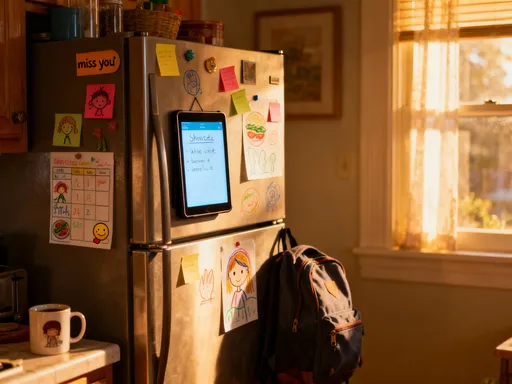
Our old system? A paper calendar on the fridge, a to-do list on my phone, and a mountain of sticky notes that somehow never stayed stuck. The problem wasn’t effort—it was visibility. Important things slipped through the cracks because they lived in different places. My daughter’s dentist appointment was in my email, my husband’s work dinner was in his calendar, and the grocery list was scribbled on a napkin in my purse. We were all trying, but we weren’t on the same page—literally. That all changed after we missed my son’s first piano recital because no one had marked it down. It wasn’t anyone’s fault, but it hurt. And that’s when I knew: we needed something better.
I started looking for solutions and stumbled upon online whiteboards—digital spaces where you can write, draw, pin notes, and share in real time. At first, I thought they were only for tech teams or remote workers. But then it hit me: if they can help people collaborate across cities, why couldn’t they help my family collaborate across the kitchen, the school, and the soccer field? I decided to try one, just for fun. I set up a simple board with our weekly schedule. I didn’t expect much. But within a week, something shifted. The chaos didn’t disappear, but it became manageable. And for the first time in years, I felt like I was parenting—not just putting out fires.
From Work Tool to Family Hub: A Surprising Shift
I’ll admit it—I first encountered online whiteboards at work. During the remote work wave, my team started using one to plan projects, share ideas, and keep track of deadlines. It was colorful, flexible, and easy to update. I loved how I could drag tasks around, add comments, and see everything at a glance. But I never thought it would become part of my home life. That changed when I was setting up a school presentation for my daughter and realized how helpful it would be to have all her research in one visual space. So I made a small board for her project. She loved it. Then I thought—why not do this for the whole family?
I created a new board with sections: school, meals, chores, family time, and a little “fun zone” for weekend plans. I used different colors for each person, added fun icons, and even included a spot for jokes and compliments. At first, my kids thought it was hilarious. “Mom, this looks like your office escaped onto our lives!” But then something unexpected happened. My son started adding his own reminders—“Math test Friday!”—with a little explosion emoji. My daughter began updating her reading log. My husband, who usually avoids anything tech-related, started marking his business trips with little plane stickers.
What made the difference wasn’t the tool itself—it was how we used it. This wasn’t just a digital calendar. It became our family’s shared brain, a place where everyone could contribute, check in, and feel seen. The whiteboard wasn’t replacing our conversations; it was making them easier. Instead of me chasing everyone down for updates, they’d just go to the board. And when someone forgot something, it wasn’t a crisis—it was a quick edit. The tone in our house started to shift. Less yelling. More collaboration. More “I’ve got this” and less “Who’s supposed to do that?”
Customizing the Board to Fit Our Real Life
One of the biggest lessons I’ve learned is this: technology should serve your life, not the other way around. At first, I tried to use the whiteboard exactly like the templates I saw online—clean, color-coded, perfectly organized. But that didn’t feel like us. Our life is messy, joyful, unpredictable. So I stopped trying to fit into a mold and started building something that felt real. I added a “mood meter” where the kids could drag a little face to show how they were feeling each morning. Some days it’s a sleepy panda, other days a dancing cupcake. It’s silly, but it opens conversations. “Why the storm cloud today?” leads to “I’m nervous about my spelling test.” And that gives me a chance to help.
We also added a “gratitude corner” after my daughter’s class did a mindfulness project. Every evening, someone writes one thing they’re thankful for—a new bike, a good grade, a surprise cookie in their lunch. It’s small, but it’s powerful. On tough days, we scroll back and remember the good moments. My husband added a progress tracker for his weekend hikes—he loves seeing the little mountain climb higher each time he completes a trail. And for our younger cousin who visits often, we made a picture-based chore chart with smiley faces and stickers, so even non-readers can participate.
The beauty of online whiteboards is that they grow with you. We didn’t have to get it right the first time. We could change, add, delete, experiment. We learned what worked and what didn’t. The board stopped being a tech project and started feeling like a reflection of our family—warm, flexible, and full of personality. It wasn’t about perfection. It was about connection. And the more we made it ours, the more we used it, trusted it, and relied on it.
Solving Real Family Problems, One Sticky Note at a Time
Let’s be honest—no app can magically fix family stress. But a good tool can make the hard parts easier. For us, the whiteboard became a problem-solver in ways I never expected. Take homework, for example. My daughter used to forget assignments all the time. I’d get emails from teachers, or she’d panic at 8 p.m. trying to finish something due the next morning. Nagging didn’t help. Grounding made things worse. So we created a “Homework Hub” on the board—a daily checklist with subjects, due dates, and a little checkbox for each task. She updates it every afternoon after school. I don’t have to ask. I just glance at the board.
Meal planning was another pain point. Every night, someone would ask, “What’s for dinner?” and I’d either forget what I’d planned or end up cooking something no one liked. Now, we have a rotating menu board with columns for each day of the week. I link to our favorite recipes, add grocery lists that update in real time, and let the kids vote on meals. On Sundays, we gather around the tablet and plan the week together. It’s become a little ritual—part planning, part family time. And because everyone has a say, there’s less complaining and more “This is my favorite!”
Even our conflicts have changed. Instead of arguing about who’s using the car or why someone’s always tired, we look at the board. Seeing everyone’s schedule laid out side by side builds empathy. “Oh, you have dance, tutoring, and a dentist appointment all in one day? No wonder you’re wiped.” The board doesn’t eliminate stress, but it helps us understand each other better. It turns “You never listen!” into “I see why you’re overwhelmed.” And that makes all the difference.
Bridging Distances: When Family Isn’t in the Same Room
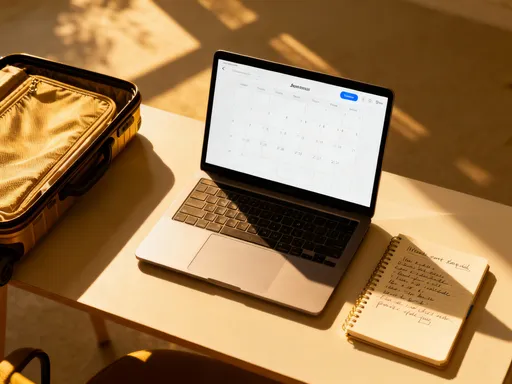
Life doesn’t always keep us under one roof. My husband travels for work. My parents live across the country. And during school breaks, the kids stay with grandparents. Distance used to mean disconnection—missed moments, delayed updates, that ache of being out of the loop. But the whiteboard changed that. When my husband is on a trip, he updates the board from his hotel. He’ll add a photo of his view, mark his return date with a big heart, or leave a silly doodle for the kids. One time, he drew a tiny suitcase with legs, and my son replied with a “Welcome home” banner he made in crayon and scanned in.
When my mom visits, she gets temporary access to the board. She loves tracking our family activities and adding her own notes—“Baked cookies—left them in the fridge!” or “Took the dog for a long walk.” It helps her feel involved, even if she’s only here for a week. During the holidays, we created a shared “Countdown to Christmas” board with gift ideas, baking schedules, and a spot for each of us to post daily traditions. My niece in another state joined too, posting photos of her family’s tree and their reindeer food recipe.
The board became more than a planner—it became a bridge. It holds our routines, our laughter, our little daily miracles. It’s not about replacing face-to-face time. It’s about enriching the moments we can’t share in person. And when we’re finally together again, we scroll through the board and say, “Remember when?” It’s like a digital scrapbook of our lives, updated in real time. Distance doesn’t feel so far anymore.
Teaching Kids Life Skills Without the Lecture
As parents, we want our kids to be responsible, organized, and kind. But let’s face it—lectures don’t work. “Clean your room” turns into a battle. “Do your homework” becomes a nightly standoff. I used to think I had to remind, correct, and supervise constantly. But the whiteboard gave me a different path. Instead of telling, I started involving. I let the kids assign their own chores, set their reading goals, and plan surprise birthdays for each other. At first, they needed help. But over time, they took ownership.
My daughter now manages her own practice schedule for the school play. She blocks out time, adds costume reminders, and even coordinates with her friend about rehearsal snacks. My son uses the board to track his savings goal for a new bike. He adds little progress bars and celebrates each milestone with a sticker. They’re learning time management, planning, and accountability—not from a textbook, but from real life. And because they’re the ones in charge, they care more. There’s pride in checking off a task they set for themselves.
What I love most is how the board teaches teamwork. When one person forgets to update their chore, the others notice. “Hey, the trash isn’t marked as taken out!” Instead of me nagging, they remind each other. It builds a sense of shared responsibility. And when someone goes above and beyond—like making dinner for the family—they get a virtual gold star and real applause. The board isn’t just organizing tasks—it’s shaping values. Independence. Empathy. Follow-through. These aren’t abstract lessons. They’re lived, every day, on our little digital canvas.
A Calmer Home, One Board at a Time
Today, our home is still busy. We still have late nights, forgotten permission slips, and the occasional meltdown. But the tone is different. There’s more breathing room. More patience. More “I’ve got you” and less “You forgot again.” The whiteboard didn’t solve every problem, but it gave us a shared language. It turned chaos into clarity. It turned isolation into connection. And it reminded us that we’re a team.
I used to think technology pulled families apart—phones at the dinner table, kids in their rooms, everyone lost in their own screens. But this? This feels different. The board is a screen we gather around, not hide behind. We use it together. We laugh at our doodles, celebrate our wins, and support each other through the tough days. It’s not cold or robotic. It’s warm. Human. Ours.
And maybe that’s the real magic. It’s not about the features or the apps or the gadgets. It’s about what happens when we use technology with intention—when we choose tools that bring us closer instead of pulling us apart. The whiteboard didn’t replace family time. It protected it. It gave us back the mental space to be present, to listen, to love without distraction. And in a world that never slows down, that’s the greatest gift of all. So if you’re feeling overwhelmed, if your mornings are loud and your nights are frazzled, I’ll say this: try a whiteboard. Not because it’s trendy, but because it might just help you find your rhythm. Your calm. Your connection. One sticky note at a time.