From Passive Scrolling to Purposeful Viewing: How Online Video Platforms Built My Daily Rhythm
In the early days, I’d fall into endless video loops—laughing at clips, watching tutorials I’d never try, and waking up wondering where the evening went. Sound familiar? I felt trapped in a cycle of digital distraction. But over time, something shifted. Instead of draining me, online videos began to anchor my days. They didn’t just entertain—they helped me wake up on time, unwind without guilt, and even bond with my family. This is how I turned mindless watching into a quiet force that structures my life.
The Trap of Endless Playlists: When Entertainment Becomes a Time Sink
Remember that feeling when you open a video app just to check one quick thing, maybe a recipe or a funny pet clip, and suddenly it’s 11 p.m., your eyes are tired, and you have no idea what you actually watched? That was me—night after night. I’d tell myself, 'Just five minutes,' but the autoplay kept pulling me in, one video after another. One dance challenge led to a home renovation fail, then a travel vlog, then a cooking shortcut I’d never try, and before I knew it, my whole evening had slipped away. The worst part wasn’t the lost time—it was the emotional residue. I’d feel foggy, restless, and oddly lonely, even though I’d been 'entertained' the whole time.
Looking back, I realize I wasn’t really choosing what I watched. I was reacting. The algorithm knew what kept me glued—bright colors, fast cuts, emotional highs—and it fed me exactly that. I wasn’t relaxing; I was being stimulated into exhaustion. My sleep suffered because I’d scroll until I couldn’t keep my eyes open. My mornings felt sluggish because I hadn’t truly rested. Even simple tasks like meal planning or helping the kids with homework felt harder because my focus was scattered. It wasn’t the videos themselves that were the problem—it was how I was using them. I had handed over control, and my days were paying the price.
But here’s the thing: I didn’t want to give up videos completely. I loved learning new things, seeing beautiful places, and laughing at clever content. The real shift started when I admitted I needed a different relationship with my screen time. Not less of it—just better. That’s when I began asking myself a simple but powerful question: What do I want this moment to do for me?
A Small Shift That Changed Everything: Defining Purpose in Watching
That question—'What do I want this screen time to do for me?'—changed everything. It sounds small, but it was like flipping a switch. Instead of opening an app out of habit, I started pausing for just a second and asking, 'Am I looking to relax? Learn something? Connect? Or am I just filling time?' That tiny pause created space between impulse and action. And in that space, I could choose.
One morning, instead of grabbing my phone the second I woke up, I thought, 'I want to feel awake and calm, not anxious.' So I searched for a five-minute morning stretch video instead of diving into the news. I followed along, breathing deeply, feeling my body wake up gently. And you know what? That small choice set a completely different tone for the day. I felt more centered, more present. It wasn’t about being perfect—it was about being intentional.
Another time, I was tired after work and reached for my phone automatically. But instead of letting the algorithm decide, I said, 'I want to unwind, not get more stressed.' So I opened a playlist I’d saved earlier—videos of quiet forest walks with soft music. No talking, no ads, just peaceful visuals. Within minutes, my shoulders dropped, and my mind slowed down. I wasn’t escaping reality; I was restoring myself.
These moments added up. I started seeing my screen time not as a guilty pleasure but as a tool—one that could either drain me or support me, depending on how I used it. I didn’t delete any apps. I didn’t go on a digital detox. I just started making more conscious choices. And slowly, my relationship with online videos began to feel less like a trap and more like a resource.
Morning Light and Calm Starts: How Videos Set the Tone for the Day
Mornings used to be chaos. I’d wake up late, scramble to get everyone fed and dressed, and by the time I sat down with my coffee, I already felt behind. My phone was right there, and I’d start checking messages, news, social media—anything to catch up. But instead of feeling informed, I’d feel overwhelmed. The world’s problems, work emails, family schedules—it was all too much before breakfast.
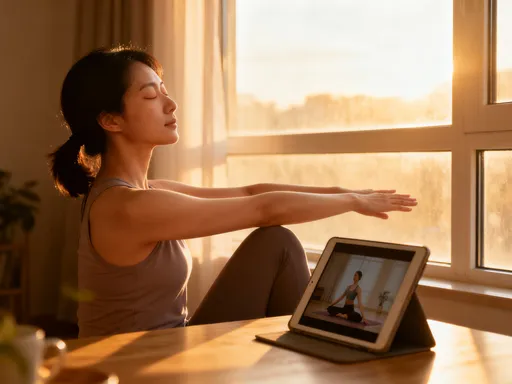
Then I decided to try something different. What if the first 15 minutes of my day weren’t about reacting to the world, but about preparing for it? I created a short morning playlist: a gentle yoga flow, a two-minute gratitude meditation, and an uplifting talk from a woman I admire. I kept it short—nothing longer than five minutes—so it felt doable, even on busy days.
Now, most mornings, I press play on that routine before I check anything else. No phone, no email, no news. Just me, my mat, and the screen. It’s not about being 'extra' or spiritual—it’s about starting with clarity instead of clutter. I’ve noticed that on days I do this, I’m calmer, more patient with the kids, and more focused at work. That five-minute video does more than stretch my body—it stretches my mindset.
And the best part? My daughter started joining me. She doesn’t do the yoga, but she sits nearby, drawing or reading while the calming voice plays. We don’t talk much during those minutes, but there’s a quiet connection in sharing the space. It’s become our little ritual. No pressure, no performance—just presence. That’s the power of starting with purpose. You’re not just watching—you’re setting the mood for your whole day.
Learning in the In-Between: Turning Downtime into Growth Time
We all have those in-between moments—waiting for the doctor, standing in line at the grocery store, or folding laundry while the kids watch cartoons. I used to fill those pockets of time with random videos—dancing dogs, celebrity gossip, quick life hacks I’d forget by lunch. Nothing wrong with that, but I started wondering: What if I used just a few of those minutes to learn something useful?
I began searching for short, practical videos on things I actually wanted to know. How to read a nutrition label. Simple home repairs. Basic budgeting. Even beginner Spanish phrases. I saved them in a playlist labeled 'Learn in 5.' At first, I didn’t expect much. But over time, those tiny lessons added up. I learned how to unclog a drain without calling a plumber. I started meal planning with real cost-saving strategies. I even picked up enough Spanish to say hello to my neighbor and understand her garden tips.
It wasn’t about becoming an expert. It was about feeling more capable. There’s a quiet confidence that comes from knowing you can handle small things yourself. And the best part? I didn’t need big chunks of time. Just five minutes here and there—while the kettle boils, during a school pickup line, on the treadmill at the gym. Micro-learning, I’ve learned, leads to macro gains.
One of my favorite moments was when I used a short video to learn how to make homemade broth from vegetable scraps. It felt so simple, but it changed how I cook. I save scraps in the freezer, simmer them with herbs, and now we have flavorful broth for soups and rice. My kids even help me strain it. It’s a small thing, but it feels meaningful. And it all started with a three-minute video I watched while folding socks. That’s the beauty of using video as a learning tool—it turns ordinary moments into opportunities for growth.
Family Screen Time That Connects, Not Divides
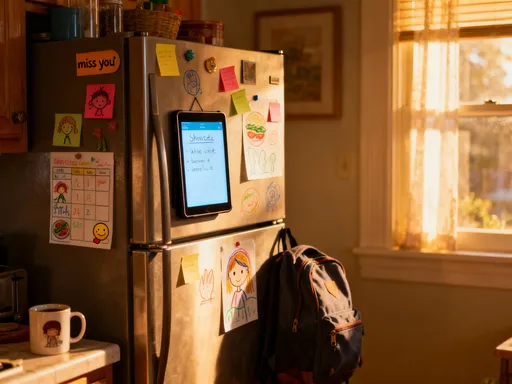
Let’s be honest—family screen time used to feel like a battleground. Everyone wanted their own show, their own device, their own corner of the couch. I’d see us all sitting together, but we weren’t really together. We were each lost in our own digital world. I missed the days when we’d gather around the TV for a movie or play a board game. I didn’t want to ban screens—I just wanted to bring us back to each other.
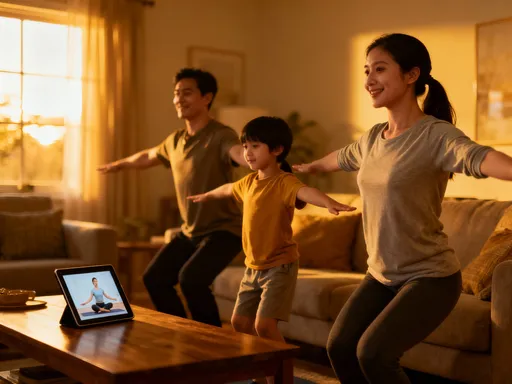
So I tried something new: co-viewing. Instead of letting everyone scroll alone, I started suggesting we watch something together. Not every night—just once a week, like a little tradition. We’d pick a nature documentary, a feel-good movie, or even a fun dance tutorial. One Friday, we watched a video of a flash mob in a train station. By the end, we were all laughing and trying to copy the moves. It turned into an impromptu dance party in the living room. My husband, who usually says he ‘has two left feet,’ was actually keeping up!
Another time, we watched a short film about sea turtles. Afterward, my son had so many questions—where they live, how they find their way back to the beach, what we can do to protect them. That one video sparked a whole weekend of drawing sea turtles, reading library books, and even writing a letter to a local conservation group. It wasn’t just entertainment—it was connection. We were learning and wondering and caring—together.
Now, when we plan family time, someone often says, 'Should we watch something cool?' And it’s become a real highlight. We’re not just sharing a screen—we’re sharing an experience. We laugh, we talk, we learn. And in a world that pulls us in so many directions, those moments of togetherness mean everything.
Evening Wind-Down: Replacing Stress with Soothing Rituals
Evenings used to be my weakest time. After a long day of managing schedules, cooking, and helping with homework, I’d collapse on the couch and start scrolling—fast, chaotic, endless. News, social media, random videos. I thought I was relaxing, but really, I was overloading my brain. I’d go to bed feeling wired, my mind racing, and then struggle to fall asleep. I wasn’t unwinding—I was revving up.
Then I realized: if my morning routine sets the tone for the day, my evening routine sets the tone for the night. So I created a wind-down playlist—videos that are slow, gentle, and visually calming. Think: a camera drifting through a quiet forest, a slow pan over a mountain lake at sunset, or a cozy kitchen where someone bakes bread in silence. No voiceovers, no music, just soft visuals and natural sounds.
Now, about 30 minutes before bed, I dim the lights, put on one of these videos, and just breathe. Sometimes I knit. Sometimes I sip tea. Sometimes I just sit and watch. It’s not about falling asleep in front of the screen—I set a timer so it turns off after 20 minutes. But those quiet minutes help me transition from 'doing' to 'being.' My mind slows down. My body relaxes. And when I finally turn off the screen, I’m ready for real rest.
I’ve noticed I fall asleep faster, sleep more deeply, and wake up feeling refreshed. And the best part? I don’t feel like I’m missing out. I’m not resisting the urge to scroll—I’ve replaced it with something that truly nourishes me. That’s the secret: don’t just take away a habit—give it a better alternative.
Building a Sustainable Routine: Tools, Boundaries, and Flexibility
Now, I’ll be honest—this didn’t happen overnight. There were days I fell back into old habits. Days when I said 'just one more video' and lost an hour. And that’s okay. The goal wasn’t perfection—it was progress. What helped me stay consistent was building a routine that felt doable, not rigid.
I use simple tools to support my habits. I created playlists for different times of day—morning energy, learning breaks, family fun, evening calm. That way, I’m not searching when I’m tired or distracted. I also set app timers. Most video platforms let you schedule a break after 30 or 60 minutes. I use that feature, especially in the evening. It’s not about restriction—it’s about awareness. That little pop-up saying 'You’ve been watching for 30 minutes' is often enough to make me pause and ask, 'Do I want to keep going?'
But I also leave room for flexibility. Some nights, instead of a calm video, we watch a silly comedy special and laugh until we cry. And that’s good too. Life isn’t about strict rules—it’s about balance. The routine isn’t meant to cage me; it’s meant to free me. When I have a structure, I can enjoy the spontaneous moments more, because I’m not constantly battling chaos.
The key is to design a system that works for *you*. Maybe your morning boost is a motivational talk. Maybe your family favorite is a cooking show you all try recipes from. Maybe your wind-down is ASMR videos of rain and crackling fire. The content doesn’t matter as much as the intention behind it. When you watch with purpose, even small choices create big shifts over time.
More Than Just Watching—A Life Thoughtfully Structured
Looking back, I realize I didn’t need to fear technology—I needed to rethink my relationship with it. Online video platforms didn’t have to be my enemy. They could be my ally, my teacher, my calm. The shift wasn’t about watching less. It was about watching with meaning.
Now, my days have a rhythm I never thought possible. Mornings begin with intention. Downtime becomes growth. Evenings end with peace. And family time feels connected again. These changes didn’t come from willpower or strict rules. They came from small, consistent choices—each one saying, 'This moment matters.'
Technology didn’t fix my life. I did. But I used it as a tool to support the life I wanted—one of calm, clarity, and connection. And if you’re feeling stuck in that endless scroll, I want you to know: it’s not too late to shift. You don’t have to delete anything. You just have to ask yourself, 'What do I want this time to do for me?' Then choose one small way to align your screen time with your values.
Imagine what your days could feel like with a little more purpose—and a lot more peace. You’ve got this. And honestly? I’m cheering for you, one thoughtful video at a time.