I keep waking up tired — This smart alarm finally gave me real rest
How many times have you woken up after eight hours of sleep, only to feel completely drained? You're not alone. For years, I told myself, "I’ll just sleep more," but no matter how long I stayed in bed, I never felt refreshed. Then I discovered something small — a tiny upgrade to my morning routine — that changed everything. It wasn’t about sleeping longer. It was about sleeping smarter. This is the story of how a simple tech tweak helped me wake up energized, focused, and truly rested — and how it can do the same for you.
“I Keep Waking Up Tired” — The Sleep Problem No One Talks About
Let’s be honest — how often have you opened your eyes in the morning and immediately wished you could close them again? You didn’t stay up late. You didn’t drink too much coffee. You even set a bedtime alarm to make sure you got your eight hours. And yet, here you are — body heavy, mind foggy, spirit just… flat. If this sounds familiar, you’re not broken. You’re not lazy. You’re not failing at self-care. You’re just waking up at the wrong time.
Most of us measure sleep in hours. We pat ourselves on the back for going to bed at 10 p.m., only to feel worse than we did the night before. But here’s the truth: sleep quality is what really matters. And one of the biggest, quietest thieves of good sleep isn’t your phone, your stress, or even your caffeine intake — it’s your alarm clock. That loud, jarring beep — the one that makes your heart jump and your body tense — might be undoing all the good rest you’ve built up overnight.
Think about it. When was the last time you woke up feeling genuinely alert? Not forced, not faking it, not relying on three cups of coffee just to function. Real, natural energy. For me, that moment didn’t come until I stopped blaming myself and started looking at how I was being woken up. I wasn’t sleeping wrong. I was waking up wrong. And once I realized that, everything began to shift.
How Your Morning Alarm Sabotages Your Sleep (Without You Knowing)
We’ve all been conditioned to think that waking up quickly is a sign of strength — that hitting the ground running means we’re disciplined, in control, ready to conquer the day. But science tells a different story. Your body doesn’t operate on a clock. It runs on cycles — natural rhythms that move you through different stages of sleep every 90 minutes or so. There’s light sleep, deep sleep, and REM sleep, the dream-rich phase where your brain processes emotions and memories.
Here’s the problem: when your traditional alarm goes off, it doesn’t care which phase you’re in. It doesn’t check whether you’re in deep sleep — that heavy, almost coma-like state where your body repairs cells and strengthens your immune system. It just blasts you awake, no matter what. And when that happens, you’re not just waking up. You’re being interrupted.
This interruption causes something called sleep inertia — a groggy, disoriented state that can last for hours. It’s like someone stopped your body mid-process. Imagine you’re baking bread, and just as the dough starts to rise, you pull it out of the oven. It hasn’t had time to finish transforming. That’s what a jarring alarm does to your brain. You’re not giving yourself a chance to complete the cycle. No wonder you feel wiped out.
The consequences go beyond just feeling sleepy. Sleep inertia affects your mood, your focus, your patience. I used to snap at my kids over little things in the morning — spilled milk, mismatched socks, the dog barking. I thought I was just tired. But now I see it was more than that. I was coming out of deep sleep like I’d been startled out of a dream, and my nervous system was still in panic mode. That alarm wasn’t helping me start the day. It was setting me up to fail.
Meet the Little Device That Learns When You’re Lightest in Sleep
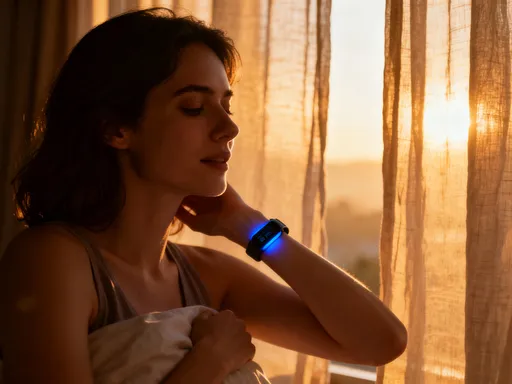
So what changed? I started using a smart alarm — not the kind that just plays soft music, but one that actually listens to my sleep. It’s built into a simple wearable — something that looks like a fitness tracker — that I wear on my wrist every night. It monitors my movement and heart rate, quietly learning my sleep patterns over time. Then, instead of waking me at a fixed time, it picks the best moment to wake me — during a light sleep phase, within 30 minutes of my set alarm.
At first, I didn’t believe it would make a difference. I thought, "How can a little gadget know when I’m ready to wake up?" But the first morning it worked, I’ll never forget. My phone vibrated gently on my nightstand — not a sound, just a soft pulse. I opened my eyes, and for the first time in years, I didn’t feel heavy. I didn’t groan. I didn’t reach for my phone to check the time like I was bracing for bad news. I just… woke up. And I felt okay. Not perfect, not hyper, but awake. Like my body had been invited to start the day, not dragged into it.
That’s the magic of this technology. It’s not flashy. It doesn’t have a screen that lights up your room or play dramatic sunrise simulations. It’s subtle. Thoughtful. It works with your body instead of against it. It’s like having a sleep-savvy friend who watches over you and says, "Hey, now’s a good time. You’re close to the surface. Let’s go." And because it wakes you at the right moment, you skip the worst of sleep inertia. No more stumbling to the bathroom like a zombie. No more staring blankly at the coffee maker, wondering how to turn it on.
And the best part? It learns. The more you use it, the better it gets at predicting your cycles. It adapts to your schedule, your stress levels, even your weekend sleep-ins. It’s not about rigid rules. It’s about working with your real life — the messy, unpredictable, beautiful reality of being a woman juggling work, family, and self.
From Groggy to Glad: The First Week With a Smarter Wake-Up
The first few days were full of small surprises. On day two, I woke up before the alarm — not because I was anxious, but because my body naturally surfaced from sleep at just the right time. I remember lying there, stunned. "Did I just… wake up on my own? Without dread?" It felt like a miracle. By day three, I skipped my usual pre-coffee scroll through emails. I didn’t need the distraction. I wasn’t trying to wake up my brain with chaos. I actually sat with my tea, looked out the window, and watched the light change. That never happened before.
My kids noticed too. "Mom, you’re not yelling today," my daughter said on Thursday morning. I laughed, but it hit me — she was used to me being short-tempered in the a.m. Now, I was calm. Present. I had the mental space to help her find her lost shoe instead of panicking about being late. I even played her favorite song on the way to school. These weren’t huge changes. But they felt meaningful. They added up.
I started paying attention to how I felt each morning — not just physically, but emotionally. Did I feel hopeful? Anxious? Ready? I kept a little note in my phone. "Day 5: woke up gently. Felt clear. Smiled at the dog." It sounds silly, but tracking it made it real. This wasn’t just about sleep. It was about reclaiming the start of my day. And when you own your mornings, you start to own your life.
Of course, it wasn’t perfect. One night, I forgot to charge the device. The next morning, my old alarm blared, and I felt like I’d been hit by a truck. But instead of brushing it off, I noticed the contrast. That single morning proved the difference. The grogginess, the irritability, the brain fog — it wasn’t normal. It was the alarm. And now I had proof.
Beyond the Bedroom: How Better Mornings Changed My Whole Day
What surprised me most was how one small change rippled through everything else. When I started waking up without that heavy fog, I had more mental energy — not just for work, but for life. I found myself making better choices. Instead of grabbing a muffin on the way to the office, I actually made oatmeal. Not because I was on a diet, but because I wasn’t running on autopilot. I was awake enough to care.
At work, I was more focused. I didn’t need to re-read emails three times to understand them. I could jump into tasks without that usual morning drag. And at home, I had more patience. I listened more. I snapped less. I even started taking short walks after dinner — something I’d been saying I’d do for years but never actually did. But now, I had the energy. And more importantly, I had the will.
It’s amazing how much of our day is shaped by those first 30 minutes. When you start with clarity, you make different decisions. You don’t reach for sugar to wake up. You don’t avoid hard conversations. You don’t put off the things that matter. The smart alarm didn’t just change how I wake up — it changed how I show up. For my family. For my work. For myself.
And here’s the thing: it didn’t require a lifestyle overhaul. No 5 a.m. workouts. No meditation apps. No strict sleep schedules. Just a gentler way to begin. But that one shift created space for other positive habits to grow. It was like clearing the weeds so the flowers could bloom.
Making It Work for You — No Tech Expertise Needed
If you’re thinking, "This sounds great, but I’m not a tech person," I get it. I used to avoid anything that required syncing or charging or apps. But this is simpler than you think. Most smart alarms are built into wearable devices that are designed for real life — not tech geeks. You wear it like a watch. You charge it like your phone. You set your wake-up window in an app — say, between 6:30 and 7 a.m. — and the device does the rest.
Start by choosing a device that’s comfortable and easy to use. Look for one with a silent vibration alarm and sleep tracking that doesn’t require a chest strap or complicated setup. Most modern fitness trackers have this built in — you just wear it to bed, and it starts learning your patterns automatically. No data entry. No guesswork.
Wear it consistently for at least a week. Don’t worry if you forget one night. Don’t stress if you nap on the couch. The device is forgiving. It learns over time, not overnight. And if you’re worried about weekends, you can set a different window or turn the smart alarm off completely. It’s your tool. You control it.
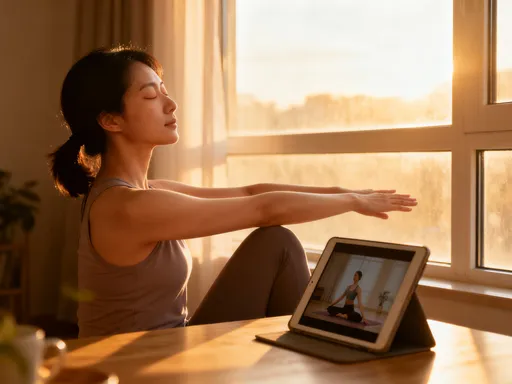
Pair it with a simple morning routine — even just five minutes of stretching, a glass of water, or sitting quietly with your coffee. The goal isn’t to create a perfect ritual. It’s to protect that calm, clear space you’ve earned. And if you slip up? That’s okay. Progress, not perfection. Even using it three days a week can make a difference. The point is to give your body a chance to wake up gently — and to remind yourself that you’re worth that care.
More Than a Gadget — Why This Feels Like Coming Home to Yourself
After months of using the smart alarm, I’ve realized it’s not really about technology. It’s about respect. Respect for my body. For my energy. For my time. For years, I treated my mornings like a battlefield — something to survive, not savor. I thought pushing through fatigue was a sign of strength. But true strength is knowing when to slow down. When to listen. When to choose kindness — even if that kindness is just a gentle vibration instead of a blaring noise.
This little device didn’t fix everything. Life is still busy. There are still late nights and early alarms and messy mornings. But now, I wake up feeling like me. Not a version of me that’s fighting to function, but the real, grounded, capable woman I know I am. I’m more present with my family. More focused at work. More in tune with my body’s needs.
And that’s the gift of smart tech done right — when it doesn’t control you, but serves you. When it doesn’t add complexity, but removes friction. When it doesn’t make you feel like a robot, but helps you feel more human. This alarm isn’t just waking me up. It’s reminding me that I matter. That my rest matters. That starting the day with peace — not panic — is not a luxury. It’s a necessity.
If you’ve been waking up tired, I want you to know: it’s not your fault. And it doesn’t have to be this way. You don’t have to keep trading sleep for survival. There’s a gentler way. A smarter way. And it might start with something as small as how you wake up. Because when you begin your day with care, you end up living it with more joy, more energy, and more of yourself. And isn’t that what we all want?