From Drowning in Emails to Full Control: How I Reclaimed My Workday
Remember that sinking feeling—opening your inbox to hundreds of unread messages, missing important replies, and spending half your day just sorting, not doing? I’ve been there. It wasn’t just stressful—it stole my focus, my time, and my peace. I used to wake up and immediately reach for my phone, dreading the red notification bubble. I’d scroll through messages during breakfast, reply between school drop-offs, and still be answering emails after the kids went to bed. My inbox wasn’t just a tool—it felt like a boss, always demanding attention, always one step ahead. But everything changed when I stopped fighting my inbox and started working *with* it. This isn’t about fancy tech—it’s about real control, regained calm, and finally making email work for *you*, not against you.
The Breaking Point: When Email Took Over My Life
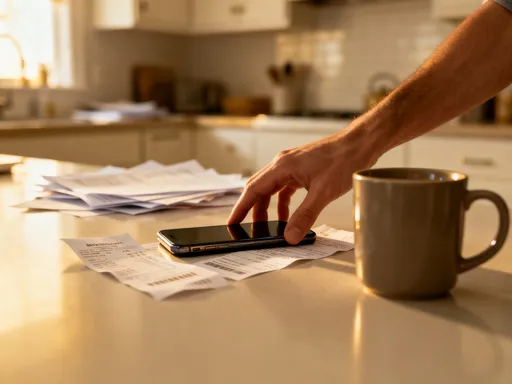
There was one morning I’ll never forget. I was sitting at the kitchen table, my daughter asking me to help with her science project, and I kept glancing at my laptop. I had just opened my email and saw 317 unread messages. Thirty. Seven. That number alone made my chest tighten. I tried to focus on her, but my mind kept jumping to work—what if I missed something urgent? What if a client was waiting? I ended up promising her I’d help “in just five minutes,” but those five minutes turned into an hour. She walked away quietly, and I felt like the worst mom and the worst employee all at once.
That moment was my wake-up call. Email had stopped being a way to communicate and had become a source of constant anxiety. I was checking it every 15 minutes, sometimes without even realizing it. My phone buzzed, and I’d jump. I’d lie in bed at night thinking about unanswered messages. I missed a close friend’s birthday because the reminder got buried under a wave of newsletters and meeting invites. At work, I felt like I was always behind, always scrambling, even though I was putting in long hours. The truth was, I wasn’t working harder—I was just working in circles.
And it wasn’t just me. I started talking to other women—moms, professionals, freelancers—and so many of them felt the same. We’re juggling so much: family, careers, homes, personal goals. We want to show up fully, but email keeps pulling us in different directions. The emotional toll was real—stress, guilt, and a quiet sense of helplessness. I realized this wasn’t just about productivity. It was about peace. It was about being able to focus on what truly mattered without feeling like I was failing at everything else.
The Old Way: Why My Email Habits Were Failing
Looking back, I can see how my habits were making everything worse. I thought I was being responsible by checking email constantly, but all I was doing was training my brain to be distracted. Every time I switched tasks to glance at a new message, it took me minutes to refocus. I’d start writing a report, get a notification, reply to a low-priority email, and then forget where I left off. That constant switching wasn’t helping me stay on top of things—it was draining my energy and making me less effective.
Then there was the chaos of my inbox. I had folders—oh, did I have folders. “Urgent,” “To-Do,” “Follow Up,” “Maybe Later,” “Important,” “Very Important,” “Client Stuff,” “Personal,” “Work Projects”—you name it. But the truth was, I never used them consistently. I’d file a message in one folder, forget about it, and then waste time searching for it later. Some emails sat unread for weeks, buried under newer ones. Others I replied to immediately, even if they didn’t need an answer right away, just to clear the visual clutter. I called it “quick triage,” but really, it was just panic responding.
And let’s talk about the myth of the “quick reply.” I used to pride myself on being fast—hitting send within minutes of receiving a message. But those fast replies often led to mistakes, misunderstandings, or follow-up emails because I hadn’t fully thought things through. I was sacrificing quality for the illusion of control. I’d spend hours answering emails and still feel like I hadn’t accomplished anything meaningful. The problem wasn’t that I lacked willpower or time management skills. The problem was that my system—what little system I had—wasn’t designed for real life. It was reactive, not intentional. And no amount of self-discipline could fix that.
Discovering the Right Tools: Not More Noise, but Real Control
I knew I needed a change, but I didn’t want more complexity. I didn’t want another app that promised the world but added even more buttons, tabs, and notifications. What I needed was something simple—something that would help me see clearly, not add more noise. That’s when I started exploring email tools that focused on clarity, not clutter. I didn’t care about advanced features or flashy interfaces. I cared about peace.
I switched to an email platform that used smart filtering to separate important messages from the rest. Instead of seeing everything in one long list, my inbox automatically sorted messages into categories like “Primary,” “Updates,” “Promotions,” and “Social.” At first, I was skeptical. Would it miss something important? But within days, I realized how much of my inbox was just noise—newsletters I barely read, automated alerts, event reminders I’d already seen. By tucking those away, I could finally see what actually needed my attention.
Another game-changer was the ability to schedule emails. Instead of sending messages at midnight because I couldn’t sleep, I could write them and set them to send the next morning. That small change did wonders for my boundaries. I wasn’t constantly “on,” and people didn’t expect immediate replies. I also started using the “snooze” feature—instead of leaving a message in my inbox as a reminder, I could snooze it until the day I actually needed to respond. No more sticky notes or mental lists. The tool remembered for me.
What surprised me most was how much better I could think with a clean interface. The app I chose had a simple, calm design—no flashing banners, no distracting sidebars. It felt like a quiet room instead of a crowded marketplace. I wasn’t bombarded with suggestions or ads. It didn’t try to sell me anything. It just helped me focus. And that, more than any feature, made the difference. It wasn’t about having more tools—it was about having the right ones, the ones that supported my life instead of overwhelming it.
Building a System That Works With My Life
Tools alone weren’t enough. I needed a routine—a system that fit my rhythm, not some rigid, unrealistic schedule. I started by setting specific times to check email: once in the morning after I’d had my coffee and done 20 minutes of focused work, once after lunch, and once in the late afternoon. That was it. No checking in between. At first, it felt strange—like I was ignoring my responsibilities. But I reminded myself: if something was truly urgent, someone would call or text. Everything else could wait.
During those email sessions, I used a simple labeling system. Instead of folders, I used labels like “Action Needed,” “Waiting on Reply,” “Reference,” and “Low Priority.” This made it easy to see what required my attention without creating the pressure of a long to-do list. I’d go through each message, decide what to do with it—reply, delete, file, or snooze—and move on. If I could answer something in two minutes or less, I’d do it right away. If it needed more time, I’d schedule it for later. This “touch it once” rule saved me so much mental energy.
I also started batching similar tasks. Instead of replying to emails as they came in, I’d group them by type. All client updates in one go. All personal messages in another. All scheduling requests together. This helped me stay in the right mindset and avoid constant context switching. I even set up email templates for common replies—things like meeting confirmations or quick thank-yous. That didn’t make me less personal; it gave me more time to be thoughtful when it really mattered.
The key was making this system work with my life, not against it. On mornings when the kids were sick or the house was chaotic, I’d shorten my email time. On days when I had a big project due, I’d protect my focus time and delay email until I’d made real progress. Flexibility was part of the system. This wasn’t about perfection—it was about progress. And slowly, I started to feel in control again.
The Ripple Effect: Calm, Confidence, and Unexpected Gains
When I finally got my email under control, I noticed changes in other parts of my life. At work, I was more focused. Instead of spending half my day reacting to messages, I could dive into projects and finish them faster. My colleagues even commented on how much more present I seemed in meetings. I wasn’t distracted, wasn’t glancing at my phone. I was actually listening.
At home, the difference was even more meaningful. I started putting my phone away during dinner. I helped my daughter with her homework without checking email every five minutes. I even started reading for pleasure again—something I hadn’t done in years. The mental clutter had been weighing on me more than I realized. With fewer distractions, I felt calmer, more patient, more like myself.
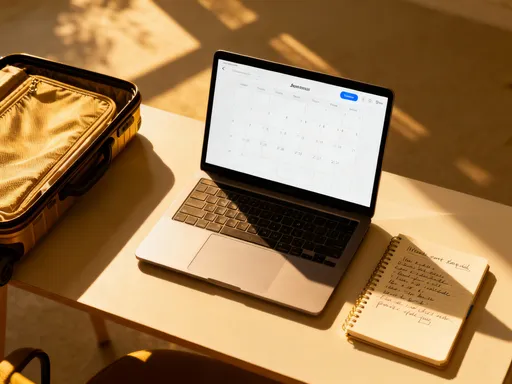
And then there were the small wins that added up. Because my calendar was synced with my email, I didn’t miss another birthday. I actually remembered to RSVP to events. I started saying “no” to meetings that didn’t matter, because I could see how much time I really had. I finished a certification course I’d been putting off for months, just because I finally had the mental space to focus on it.
But the biggest gain wasn’t time—it was confidence. I no longer felt behind. I didn’t wake up anxious. I could trust my system. If something was important, I’d see it at the right time. If it wasn’t, it wouldn’t steal my attention. That sense of calm was priceless. It wasn’t about doing more—it was about feeling better while doing what mattered.
Helping Others Find Their Own Balance
As I settled into my new rhythm, I started sharing what worked with friends and coworkers. I didn’t push my system on anyone—I knew we all have different lives, different jobs, different needs. But I encouraged them to think about email not as something they had to survive, but as something they could shape.
One friend, a mom of three who runs a small business, started using scheduled emails so she could write replies at night without feeling “on” all the time. Another, a teacher, used labels to track parent messages and assignment reminders—no more lost emails before parent-teacher conferences. A colleague who travels a lot started using the snooze feature so he wouldn’t miss time-sensitive requests while on the road.
What surprised me was how many people felt trapped, just like I had. They didn’t need a tech overhaul—they needed permission to simplify. I reminded them: you don’t have to do everything at once. Start small. Turn off notifications for one day. Try checking email only twice a day. Use one label. See how it feels. The goal isn’t to be perfect—it’s to feel better.
I also learned that balance looks different for everyone. Some people thrive on quick replies. Others need long stretches of focus. The point isn’t to copy someone else’s system—it’s to create one that supports your life. Tech should serve you, not the other way around. And sometimes, the most powerful tool isn’t an app—it’s the decision to take back control.
A New Relationship With Technology: Peace, Not Pressure
Looking back, I realize that mastering my email wasn’t just about organization—it was about reclaiming my attention, my time, and my peace. I used to see technology as the problem—the thing making me anxious, overwhelmed, always busy but never productive. But now I see it differently. When used with intention, tech can be a quiet helper, not a loud demander.
Email doesn’t have to be a source of stress. It doesn’t have to own your day. With the right tools and a system that fits your life, it can become a tool that supports you—helping you stay connected, organized, and in control. The goal isn’t to never feel overwhelmed again. The goal is to know you have a way back to calm when things get busy.
I still get a lot of emails. But now, I don’t feel owned by them. I check them on my terms. I respond when it makes sense. I let go of the rest. And in that space, I’ve found something priceless: the ability to breathe, to focus, to be present. If you’re drowning in emails, I want you to know—there’s another way. You don’t have to live like that. You can make email work for you. And when you do, you might just find that you’re not just more productive—you’re more at peace, too.