What If Your Password App Could Help You Sleep Better?
How many times have you lain awake, mind racing with to-do lists, login details, or tomorrow’s worries? You’re not alone. In our digital lives, mental clutter keeps us up more than we admit. But what if the app you use to store passwords could do more than just secure logins? What if it could actually clear your mind, reduce anxiety, and help you fall asleep easier? Let’s talk about how organizing your digital chaos might be the sleep aid you never knew you needed.
The Midnight Mental Load: Why We Can’t Switch Off
It’s 2 a.m., and you’re still wide awake. The house is quiet, the kids are asleep, and yet your brain won’t shut down. Instead, it’s flipping through a mental rolodex: Did I reply to the teacher’s email? What’s the login for the electric bill? Did I lock the garage? These aren’t just random thoughts—they’re echoes of a digital life that’s become too scattered, too loud. We carry invisible weight every day: passwords, appointments, forms, confirmations. And when we finally lie down to rest, that weight settles in. It’s not that we’re bad at managing our lives—it’s that our tools aren’t helping. We’ve been taught to remember everything, to keep track of it all ourselves. But no one can hold that much in their head without paying a price. That price? Peace. Sleep. Calm. The truth is, your racing thoughts at night aren’t a personal failure. They’re a signal. Your mind is asking for better support. It’s begging for a system that carries the load so you don’t have to. And the good news? That system already exists. It’s not some complicated new app or expensive subscription. It’s something many of us already have on our phones—something we use without realizing its full potential.
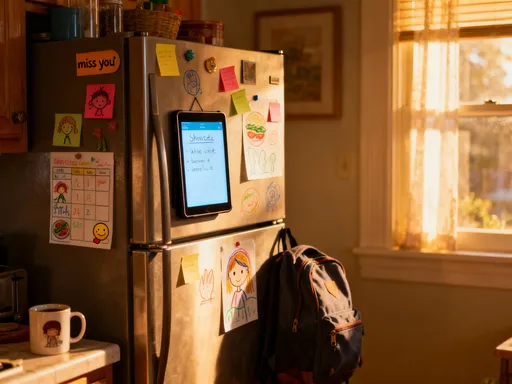
Think about it: when was the last time you felt truly confident that everything important was in the right place? Not just passwords, but insurance numbers, school forms, travel details, medical info—things that matter when life gets busy or stressful. Without a clear system, these details float around in notes, emails, scraps of paper, or worse—nowhere at all. That uncertainty builds quiet anxiety. It’s not panic, but a low hum in the background, like a fridge that never turns off. And at night, when everything else quiets down, that hum gets louder. We’ve normalized this mental load, especially as women, as moms, as caregivers. We’re used to being the keepers of information. But we don’t have to carry it all in our heads. In fact, we weren’t meant to. Our brains weren’t designed to memorize 50 passwords or track every digital detail. That’s not weakness—that’s biology. When we offload that work to a trusted tool, we’re not being lazy. We’re being smart. We’re giving ourselves permission to rest.
From Logins to Peace of Mind: The Hidden Power of Password Managers
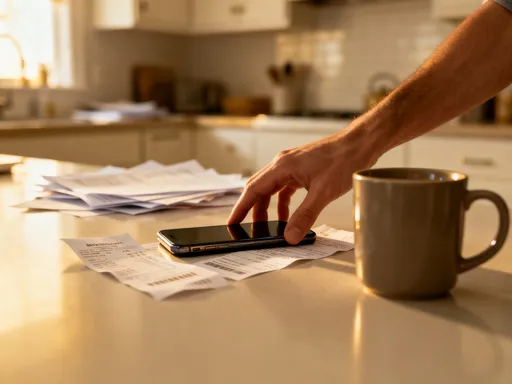
You probably think of your password manager as a digital vault—somewhere to store logins so you don’t have to remember them. And yes, that’s part of it. But what if I told you it could be more? What if it could be a tool for emotional relief? That might sound strange at first. How can an app for passwords help you feel calmer? The answer lies in cognitive load. Every time you try to remember a password, confirm a detail, or search through old messages for a code, your brain uses energy. Small tasks, but they add up. Multiply that by dozens of accounts, family members, subscriptions, and services, and suddenly your mind is doing a full-time job just keeping up. A password manager doesn’t just store data—it frees up mental space. It’s like clearing off a cluttered countertop in your kitchen. When everything has a home, the room feels lighter. The same happens in your mind. When you know your passwords are safe and accessible, you stop worrying about them. That relief isn’t just convenient—it’s emotional. You feel more in control. You breathe a little deeper. And that, my friend, is the beginning of better sleep.
I remember when I first set up my password manager properly. I spent a weekend cleaning up old accounts, organizing my family’s logins, and storing important info I’d been keeping in sticky notes or random notes apps. At first, it felt like work. But within days, something shifted. I stopped dreading the ‘Forgot password?’ screen. I didn’t panic when I needed to book a doctor’s appointment online. And at night, when my mind used to race through a list of things I might have forgotten, it just… slowed down. I realized how much mental energy I’d been spending on things that didn’t deserve it. The password manager didn’t just organize my logins—it organized my peace. It became a quiet ally, a behind-the-scenes helper that made daily life smoother and nights quieter. And the best part? It didn’t require a steep learning curve or technical skills. It just required me to trust it. That trust—knowing my digital life was in order—was the first real step toward better sleep.
Beyond Passwords: Organizing Your Digital Life for Better Sleep
Here’s something most people don’t realize: your password manager can do way more than store passwords. Many apps include secure notes, identity storage, payment details, and even emergency access features. These tools were built with safety in mind, but they also happen to be incredible for reducing everyday stress. Think about the things you worry about losing: your passport number, your car insurance policy, your child’s school login, your Wi-Fi password. How many times have you searched frantically for one of these? How many times has that search turned into a late-night Google spiral? Now imagine all of that—everything important—living in one secure, organized place. No more digging through emails. No more asking your spouse, ‘Did you save that form?’ No more panic when the internet goes out and you can’t find the router password. When everything is where it should be, your mind relaxes. You stop rehearsing worst-case scenarios. And that calm? It follows you into bedtime.
I started using the secure notes feature to store things like family medical info, travel itineraries, and even recipes I didn’t want to lose. I added my home warranty details, my gym membership number, and my favorite online store accounts. It wasn’t about being obsessive—it was about being prepared. And the more I organized, the less I worried. I stopped feeling like I was one forgotten detail away from chaos. That sense of stability made a real difference in how I felt at night. Instead of lying there thinking, ‘Did I save the camp forms?’ I could just breathe. I knew where everything was. And when you know you’re ready—when you know your digital life is in order—your body starts to believe it can rest. That’s not magic. It’s design. These tools were made to protect your data, but they also protect your peace. And peace, especially for women who carry so much mentally, is priceless.
Your Phone Shouldn’t Be a Source of Stress
We all love our phones. They help us stay connected, manage our homes, and keep up with life. But let’s be honest—sometimes they feel more like a source of stress than a tool for ease. How many apps do you have? How many notes, messages, and browser tabs are scattered across your screen? How often do you get that ‘Storage Almost Full’ warning? And how many times have you opened your phone to check one thing, only to end up scrolling, worrying, or searching for something you can’t find? Our phones were meant to simplify life, but without boundaries, they do the opposite. They become digital junk drawers—full of clutter, noise, and anxiety. Every notification, every pop-up, every forgotten login adds to the weight. And that weight doesn’t just stay on your phone. It leaks into your mind. It makes it harder to focus. Harder to relax. Harder to sleep.
But what if your phone could feel calm instead? What if it could be a place of order, not chaos? That’s where tools like password managers come in. They’re not just about security—they’re about simplicity. When your logins work smoothly, when your data is organized, when you’re not fighting with technology, your phone becomes a tool again. Not a stressor. Think about how good it feels when a website logs you in automatically. No typing. No guessing. No frustration. That small moment of ease? It matters. It tells your brain, ‘You’re safe. You’re in control.’ And when those moments add up, they change how you feel in your body. You carry less tension. You sleep more deeply. You wake up feeling lighter. So yes, your phone can be a source of stress. But it doesn’t have to be. With the right tools and habits, it can become a quiet space of support—one that helps you breathe easier, not harder.
How to Turn Your Password App Into a Sleep-Friendly Tool
Okay, let’s get practical. How do you actually make this happen? How do you turn your password manager from a simple login saver into a true peace-of-mind tool? Start small. Pick one evening—maybe a quiet Sunday—or spread it out over a few nights. The goal isn’t perfection. It’s progress. First, go through your accounts. Delete the ones you don’t use anymore—old shopping sites, expired subscriptions, forgotten trials. Each one you remove is one less thing your brain has to track. Next, organize what’s left. Create folders or categories: Family, Bills, Shopping, Travel, Health. Give each login a clear name so you know what it is at a glance. Then, add the details you’ve been keeping elsewhere: insurance numbers, membership IDs, school portals. Use the secure notes feature for things like emergency contacts, home repair tips, or even your favorite family recipes. Make it yours.
Now, turn on auto-fill. This small step makes a big difference. When your phone or laptop fills in your login automatically, you save time and mental energy. No more typing, no more mistakes, no more frustration. And don’t forget emergency access. Most password managers let you share access with a trusted family member—your spouse, a sibling, a parent. This isn’t about lack of privacy. It’s about care. It means if something happens to you, your loved ones won’t be left scrambling. Setting this up brings its own kind of peace. It’s like writing a will for your digital life. Finally, make it a habit. Once a month, do a quick check-in. Add new accounts, remove old ones, update passwords. Treat it like brushing your teeth—small, routine, essential. These steps aren’t just about tech. They’re acts of self-care. Each one says, ‘I matter. My peace matters. My rest matters.’ And when you build that kind of care into your digital life, it shows up in your real life—in your sleep, your mood, your energy.
Small Changes, Deeper Rest
Sleep isn’t just about hours. It’s about quality. And quality starts long before you turn off the light. It starts with your habits—the small choices you make all day. Did you drink too much coffee? Did you scroll before bed? Did you go to sleep worried about tomorrow? These things matter. But so does your relationship with technology. Think about your bedtime routine. Do you check email one last time? Do you open five different apps looking for a password? Do you lie there wishing you could remember that website for the school fundraiser? These moments add up. They keep your brain active when it should be winding down. But what if you changed that? What if, instead of reaching for your phone in stress, you reached for it in confidence? What if you knew, without a doubt, that everything was in order?
Here’s a simple idea: set a digital curfew. Turn off non-essential notifications after 8 p.m. Switch your password app to dark mode—it’s easier on the eyes and signals to your brain that it’s time to relax. Use your phone’s focus mode to block distractions. And when you do need to log in somewhere, let the app do the work. Let it fill in the details, so you don’t have to think. These small changes aren’t about cutting off technology. They’re about using it wisely. They’re about creating a digital environment that supports rest, not fights against it. And when your tech habits align with your wellness goals, something beautiful happens: your mind starts to trust that it can let go. You stop rehearsing tomorrow’s tasks. You stop worrying about forgotten details. You just… rest. That’s not a luxury. It’s a necessity. And it’s within your reach.
Rest Starts with Trust: Building a Calmer Digital Self
At the end of the day, better sleep isn’t just about routines or apps. It’s about trust. Do you trust that your life is in order? Do you trust that you’ve done enough? Do you trust that you can rest without falling apart? For so many of us, the answer is no. We’re conditioned to believe that staying busy, staying alert, staying on top of everything is the only way to be responsible. But that mindset steals our peace. It keeps us awake. What if, instead, we learned to trust our tools? What if we let technology carry the weight so we could carry less? A password manager isn’t just a tech tool. It’s a symbol of letting go. It’s a choice to stop memorizing and start living. When your digital world feels secure, your real world feels lighter. You stop fearing the forgotten detail. You stop dreading the login screen. You stop lying awake replaying mental lists. And in that space—quiet, calm, clear—you find something precious: rest.
So tonight, before you close your eyes, take a moment. Think about what’s keeping you up. Is it really the kids? The job? The to-do list? Or is it the invisible weight of disorganization? You don’t have to carry it. You weren’t meant to. Let your tools help. Start with your password app. Organize it. Trust it. Use it not just for security, but for peace. Because when your digital life is in order, your mind can finally relax. And when your mind relaxes, your body follows. That’s how rest begins—not with a miracle, but with a simple act of care. And that care? It’s the most powerful thing you can give yourself.