Answered 500 Questions in 2 Weeks: The Platform That Made Learning Feel Like Chatting with a Friend
Have you ever felt stuck while trying to learn something new—only to give up because the answers were too complex or cold? I did too, until I found a simple tool that changed everything. It wasn’t flashy, but it made learning feel personal, almost like talking with a trusted friend who just gets it. In just two weeks, I asked over 500 questions—and finally started understanding. No more staring at confusing articles. No more feeling silly for not knowing. Just clear, kind responses that met me where I was. And slowly, something shifted—not just in what I knew, but in how I saw myself.
The Moment I Realized I Was Learning Wrong
I used to think learning meant quiet focus, textbooks, and endless videos. I’d sit at the kitchen table after the kids were in bed, laptop open, determined to finally understand how to organize my home budget or improve my resume. But no matter how hard I tried, I’d lose motivation within minutes. The real problem wasn’t my effort—it was the lack of connection. Knowledge felt distant, like shouting into a void and hearing nothing back. I’d type a question into a search engine and get ten links, each using words I didn’t understand. By the third paragraph, I’d already closed the tab, defeated.
Then one night, after yet another confusing search about how to resize photos for an online listing, I stumbled on a different kind of platform. Instead of a list of links, I got a single, clear answer—written in plain English, like someone was actually talking to me. It said, “Think of image size like fitting a big photo into a small frame. You don’t need to change the picture—just make it fit.” Suddenly, it made sense. And when I asked a follow-up—“But how do I do that on my phone?”—it answered again, step by step, without making me feel silly for not knowing. That’s when it hit me: learning shouldn’t feel lonely. It should feel like a conversation, not a test.
I realized I’d been treating learning like a chore, something I had to power through on my own. But this was different. It wasn’t about memorizing facts or finishing a course. It was about understanding, one small piece at a time. And for the first time, I didn’t feel stupid for asking. I felt seen. That night, I stayed up later than I meant to—not because I was forcing myself, but because I was actually enjoying it. The next morning, I asked my first question of the day before I even made coffee. Something had changed.
How Asking Questions Became My Daily Ritual
At first, I only asked simple things—how to fix a typo in a document, why my phone battery drained so fast, or how to stop my Wi-Fi from cutting out during video calls with my sister. But each answer led to another question, like stepping stones across a stream. When I learned that closing unused apps could save battery, I wondered, “What else is secretly draining power?” That led me to learn about background refresh settings, then location tracking, and eventually, how to set up digital boundaries so my phone didn’t interrupt family time. What started as a quick fix turned into a deeper understanding.
Soon, I was diving into topics I’d avoided for years. Personal finance? I’d always told myself I’d “get to it later.” But one day, I asked, “How do I know if I’m spending too much on groceries?” The answer didn’t start with budgeting jargon. It started with, “Let’s look at what you already know.” It walked me through comparing my receipts to my income, then suggested a simple 50/30/20 rule—needs, wants, savings—without making me feel behind. I saved that answer and read it again the next day. And the next. Within a week, I’d created my first real budget.
Then came basic coding. I know—it sounds intense. But I’d been curious about how websites work, especially after helping my son with a school project. I asked, “Can you explain HTML like I’m 35, not 15?” And it did. It compared tags to labels in a recipe: <h1> is like “Title,” <p> is “Paragraph.” Suddenly, it wasn’t scary. I didn’t become a developer, but I could now tweak a blog post or fix a broken link without panicking. I started saving answers in a folder I called “Things I Finally Get.” I’d revisit them when I felt unsure. I even shared a few with my best friend over text: “Look what I learned today!” She started asking her own questions. What began as curiosity turned into a habit—one that quietly reshaped my confidence.
The Surprise of Learning Without Pressure
One of the biggest changes? There was no timer, no grade, no judgment. I could ask the same question twice, phrase it differently, or say “I don’t get it” without embarrassment. That freedom removed the fear I didn’t even know I carried. I realized how much anxiety had been tied to learning—fear of looking stupid, of falling behind, of never being “smart enough.” As a mom and wife, I’m always expected to have answers. But here, it was safe to not know. In fact, not knowing was the whole point.
I could explore at my own pace. Whether I spent five minutes or an hour, the platform adapted to me, not the other way around. If I got distracted by the dog barking or the oven timer, I could come back and pick up right where I left off. No progress lost. No quiz waiting. It felt like having a patient teacher who never got frustrated, never rushed me, and never made me feel like I should’ve learned this in school.
And the more I used it, the more I noticed a shift in how I approached challenges. When my daughter struggled with a math problem, instead of saying, “I was never good at this,” I said, “Let’s ask together.” We typed in the question, read the explanation, and tried a few examples. She got it—and so did I. That moment wasn’t just about math. It was about modeling curiosity instead of fear. I wasn’t hiding my gaps anymore. I was showing her that it’s okay to wonder, to search, to learn—even when you’re grown.
Turning Knowledge into Real-Life Wins
Sure, I was learning, but what really mattered was how it showed up in my daily life. I fixed my budget using simple tips I asked for—like tracking expenses for just one week to see patterns. I stopped overbuying because I could finally see where the money went. I even started a small emergency fund—something I’d told myself was “for other people.”
I helped my sister set up her laptop securely after asking about privacy settings. She’d been worried about scams since her friend lost money online. So I asked, “How can she tell if an email is fake?” The answer gave me clear signs to look for—mismatched email addresses, urgent language, requests for personal info. I wrote them down and sent them to her. Later, she called, excited—she’d caught a fake bank message before clicking. “You’re my tech hero,” she said. I laughed, but it felt good. I wasn’t an expert. I was just someone who asked the right question at the right time.
Even small things—like cooking a new recipe or understanding a news article about inflation—felt easier. When I tried a vegan lasagna for the first time, I asked, “Why does my cashew cheese taste gritty?” The answer explained soaking time and blending speed. I tried again, and it was creamy. My family didn’t know about the failed first attempt, but I did. And that small win reminded me: I can figure things out.
Each win, no matter how small, made me feel more capable. It wasn’t about becoming an expert overnight. It was about feeling equipped, one question at a time. And that sense of agency started to spill over into other areas—making decisions, speaking up, trying new things. I wasn’t just learning facts. I was rebuilding my belief in myself.
Sharing What I Learned—And Growing Together
I began chatting with a close friend about how much I’d learned. At first, she was skeptical. “Isn’t it just Google?” she asked. “I’ve tried that. It’s overwhelming.” I understood. So instead of explaining, I showed her. We sat at my kitchen table, and I typed: “How can we tell if an online deal is too good to be true?” The answer came quickly—check the website’s address, look for customer reviews, avoid sites that ask for payment by gift card. We both nodded. “Oh, I’ve seen that,” she said. “But I never knew what it meant.”
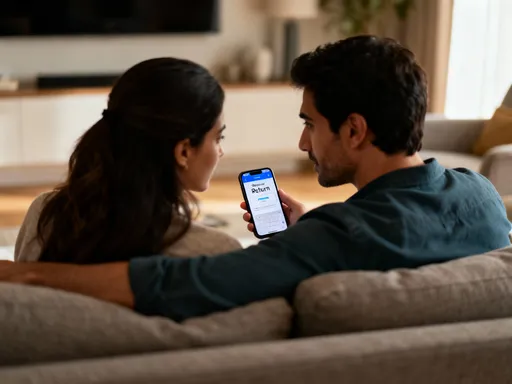
She opened her phone and asked her own question: “How do I stop getting spam calls?” The platform gave her steps—how to block numbers, use built-in settings, and report scams. She followed them right then. “This is amazing,” she said. “It’s like having a helper who actually explains things.”
We started asking questions together—over coffee, on walks, during grocery runs. “How do I store herbs so they last longer?” “What’s the easiest way to start composting?” “How can I talk to my teen about screen time without starting a fight?” Each answer gave us not just information, but confidence. We celebrated “aha” moments like small victories. Our conversations deepened, and so did our confidence. We weren’t just solving problems—we were growing together.
Why Solo Use Made the Biggest Difference
Even with collaboration, I noticed the real shift happened when I used the platform alone. Without relying on others’ opinions or schedules, I could explore freely. I asked my questions, in my way, at my pace. That independence built something deeper than knowledge—it built self-trust. I stopped waiting for permission to learn.
There’s something powerful about being the one to type the question. It means you’re taking charge. You’re saying, “I want to understand this,” not “Someone tell me what to do.” I started noticing that I wasn’t as quick to call my brother for tech help or ask my husband to read the instruction manual. Not because I didn’t value their help—but because I knew I could find answers myself.
That didn’t make me less connected to others. If anything, it made our connections stronger. When I did ask for help, it wasn’t from a place of helplessness. It was from a place of curiosity. “I read a few things about this,” I’d say, “but what do you think?” That small shift—from passive to active—changed how I showed up in my relationships. The platform wasn’t replacing human connection; it was giving me the tools to show up in those connections more fully.
A Smarter, Calmer Way to Grow—One Question at a Time
Looking back, the most powerful change wasn’t the facts I learned—it was how I felt about learning itself. Curiosity no longer felt risky. Confusion wasn’t failure; it was the starting point. The platform didn’t just give answers. It gave me back the joy of asking. And in a world full of noise and pressure, that simple act—wondering, reaching out, understanding—became a quiet act of courage.
I used to think growth meant big leaps—going back to school, changing careers, mastering a new skill in a weekend. But real growth, I’ve learned, happens in the small moments. It’s in the question you finally ask after years of pretending you know. It’s in the relief of understanding something that used to confuse you. It’s in the pride of fixing something yourself, teaching someone else, or making a better choice.
This isn’t just about technology. It’s about reclaiming the peace that comes with knowing you can figure things out. It’s about feeling capable in a world that often makes us feel behind. And it’s about giving yourself permission to learn—not perfectly, not quickly, but kindly, patiently, consistently.
If you’ve ever felt stuck, overwhelmed, or like you’re the only one who doesn’t “get it,” I want you to know: you’re not alone. And you don’t have to stay stuck. Start with one question. Just one. Type it like you’d ask a friend. Let the answer meet you where you are. Then ask another. And another. In two weeks, you might not have all the answers—but you’ll have something better: the confidence that you can find them. That’s not just learning. That’s freedom.