What If Your Home Could Quietly Track Your Daily Wins?
Imagine coming home to a space that not only feels just right but also knows you’re doing better—without you saying a word. It notices you slept well, saw you skipped late-night scrolling, and celebrates that you meditated for ten calm minutes. This isn’t magic. It’s smart atmosphere creation, where your home gently tracks progress in ways that feel personal, meaningful, and deeply human. No dashboards, no pings, no pressure—just a quiet sense that life is flowing a little smoother, and someone—or something—is quietly rooting for you.
The Morning Struggle No One Talks About
Let’s be honest: most mornings don’t start with intention. They start with alarms, half-remembered to-do lists, and the frantic search for a missing shoe. You meant to drink water first thing. You promised yourself five minutes of stillness before checking your phone. But then the kids needed breakfast, the dog needed walking, and suddenly, it’s 8:15 and you’re sipping lukewarm coffee in the car, already feeling behind. That mental clutter—the nagging sense that you’re not doing enough—is exhausting. And it’s not just you. So many of us begin the day already carrying the weight of unmet goals, not because we don’t care, but because life moves fast and no one’s giving us credit for the small efforts we do make.
Now imagine a different kind of morning. The same alarm goes off, but the lights in your bedroom begin to rise slowly, mimicking sunrise. It’s not just about waking up—it’s about waking up well. Your smart thermostat has already adjusted the temperature to a cozy 70 degrees, because it learned you sleep better when it’s slightly warm. The air purifier has been running quietly since 5:30, ensuring the air feels crisp and clean when you take your first deep breath. You step into the kitchen, and the kettle starts heating automatically—not because you told it to, but because it recognizes your routine. These aren’t random comforts. They’re quiet acknowledgments that you’re here, present, and trying. And that makes all the difference.
What if your home didn’t just respond to commands, but noticed your efforts? When you skip that late-night snack and go to bed on time, the next morning greets you with brighter lighting and an uplifting playlist—subtle rewards that say, “We see you. You’re doing great.” No judgment, no tracking app to open, just a feeling of being supported. This kind of support isn’t flashy, but it’s powerful. It reduces the mental load of self-improvement by weaving encouragement into the very fabric of your day. You’re not chasing perfection—you’re being gently reminded that progress is happening, even when you don’t notice it yourself.
How Atmosphere Becomes Your Unseen Coach
We often think of coaching as something loud—someone shouting encouragement, tracking stats, pushing us harder. But what if the best kind of coach was the one who never said a word? What if it was the warmth of the light in your living room when you finish a long work call? Or the soft chime your speaker plays when your step count hits 7,000? These aren’t just features. They’re quiet affirmations, built into your environment, that say, “You’re moving forward.”
Modern smart homes use sensors and AI not to spy on you, but to understand your rhythms. When you meditate in the morning, the room might dim slightly and play a gentle tone—your space adapting to your calm. If you’ve been stressed, your lighting system might shift to a soothing blue hue, known to reduce anxiety. These aren’t random changes. They’re responses based on patterns your home has learned: when you’re focused, when you’re tired, when you need a little extra comfort. Over time, your home becomes a mirror—not of data, but of your emotional state.
Think about how music changes the mood in a room. Now imagine that same effect, but personalized and automatic. After a tough day, your home might play a playlist titled “You’ve Got This,” one you created during a moment of strength. The scent diffuser releases a hint of lavender—your go-to for relaxation. These small cues don’t fix everything, but they create a feedback loop of care. You begin to feel seen, not because someone told you they noticed, but because your surroundings responded in a way that felt just right. That’s the power of atmosphere as a coach: it doesn’t demand change. It celebrates the change that’s already happening.
Tracking Growth Without Screens or Stress
We’re all tired of screens, aren’t we? Between work emails, social media, and fitness apps, our lives are filled with digital dashboards that demand attention. We log meals, track steps, monitor sleep—and yet, so much of it feels disconnected from how we actually feel. What if progress didn’t have to be measured in numbers? What if you could feel it instead?
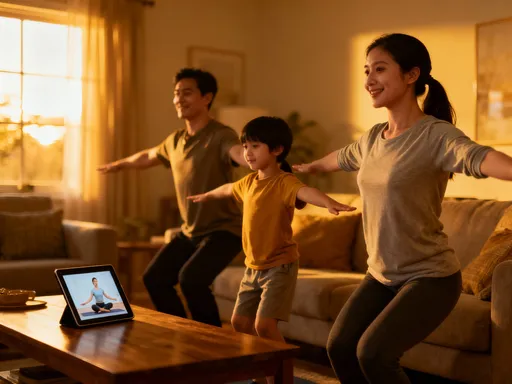
Smart environments offer a different kind of tracking—one that’s invisible, intuitive, and deeply personal. When you do your morning stretches, the air quality sensor detects increased oxygen flow and subtly adjusts the ventilation. The lights in your living room shift to a vibrant white, signaling energy and clarity. You don’t need to check an app to know you’ve started the day right. You feel it in the air, in the light, in the way your body moves. This kind of feedback is not about surveillance. It’s about alignment—between your actions and your environment, between your effort and your sense of well-being.
For many of us, the pressure to “optimize” every part of life has become its own kind of stress. But what if technology could help us slow down, not speed up? Imagine your home recognizing when you’ve been sitting too long and gently dimming the lights, suggesting a break without a single notification. Or your bedroom, sensing you’re winding down, automatically lowering the temperature and playing a soft rain soundtrack. These aren’t commands. They’re invitations—to rest, to breathe, to be present. And because they happen without screens, without alerts, they feel more like companionship than control.
The beauty of this approach is that it builds awareness without adding burden. You start to notice your own patterns—not because an app told you, but because your home reflected them back in a way that felt natural. You realize, “Oh, I do feel better after a walk,” not from a step count, but from the way the light welcomed you back. This is progress that lives in the body, not the phone. And that makes it more sustainable, more meaningful, and far more human.
Family Life, Simplified and Strengthened
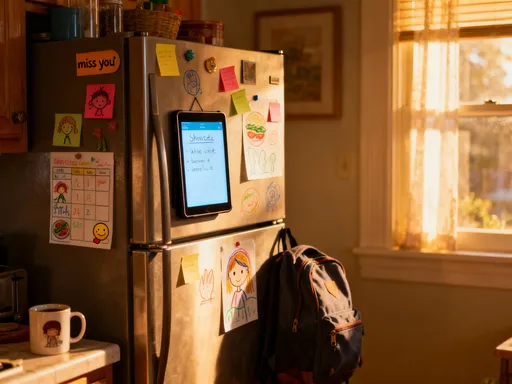
For families, progress isn’t just individual—it’s shared. And that means the home isn’t just a backdrop; it’s a participant. When the kids come home from school, the kitchen lights brighten slightly, signaling it’s time to start homework. No yelling, no reminders—just a gentle cue that blends into the rhythm of the day. Later, if voices rise and tension fills the air, the living room might shift into “calm mode”: softer lighting, ambient music, a diffuser releasing a grounding scent like sandalwood. These aren’t punishments or rewards. They’re environmental nudges that help everyone reset, together.
One mother shared how her smart home changed her family’s evenings. “Before, I was always the bad guy—‘Turn off the TV!’ ‘Do your homework!’ ‘Why is your room still a mess?’ Now, when it’s time to wind down, the lights dim on their own. The speakers play our ‘family wind-down’ playlist. The kids know it’s not me nagging—it’s the house saying it’s time to slow down. And honestly, it works better than I ever did.” This isn’t about outsourcing parenting. It’s about creating a shared language of care, where the environment supports the values you already hold.
Another family uses motion sensors to celebrate small wins. When the youngest remembers to feed the dog, the hallway light glows green for a few seconds—a tiny celebration no one has to orchestrate. “It sounds silly,” says the dad, “but my son looks for that light now. He feels proud when he sees it.” These moments build confidence, not through praise from adults, but through a home that quietly acknowledges effort. And for parents, it means less emotional labor—fewer reminders, fewer conflicts, more space to just be with your family.
What makes this so powerful is that it fosters connection without control. The home isn’t enforcing rules. It’s reflecting the family’s rhythm, reinforcing the good habits you’re already trying to grow. And because it’s consistent—no mood swings, no tiredness—it becomes a reliable partner in daily life. You’re not raising kids alone. You’ve got your home on your side.
The Quiet Confidence of Being Understood
There’s a deep comfort in being seen—truly seen—for who you are and what you’re trying to do. And when your environment responds in kind, it builds something rare: quiet confidence. Not the loud, flashy kind, but the steady belief that you’re on the right path, even when no one’s watching. This isn’t about vanity or achievement. It’s about belonging—to your space, to your routine, to yourself.
Take Sarah, a teacher and mother of two, who struggled with burnout for years. She tried apps, journals, even therapy—but what finally helped was her bedroom. After setting her smart lights to dim earlier during weeks when she was tired, she noticed something unexpected: she started going to bed sooner. “It wasn’t a rule,” she says. “It was like the room was saying, ‘It’s okay to rest.’ And after a while, I believed it.” That small shift—light responding to fatigue—gave her permission to prioritize herself. And over time, her energy returned, not because she pushed harder, but because she was finally supported.
Or consider James, a high school student with ADHD, who found focus in his study zone. His desk lamp automatically brightens when he sits down, and the speaker plays a focus playlist after detecting his movement. “It’s like the room knows I’m serious now,” he says. “I don’t have to convince myself to start. The space does it for me.” This isn’t about fixing anyone. It’s about creating conditions where people can thrive as they are.
What these stories share is a sense of emotional safety. When your home responds to your needs before you voice them, it sends a powerful message: “You matter. Your well-being matters.” That kind of support doesn’t erase challenges, but it makes them easier to carry. And over time, it builds resilience—not from willpower, but from the quiet certainty that you’re not alone.
Setting It Up: Simple Steps, Real Results
You might be thinking, “This sounds amazing, but isn’t it complicated? Do I need to be a tech expert?” The truth is, you don’t. You don’t need every smart device on the market. You don’t need to rewire your house. You just need to start with one habit—one small, meaningful change you’d like to support. Maybe it’s drinking more water. Maybe it’s meditating for five minutes. Maybe it’s putting your phone down earlier. That’s your anchor.
Next, think about how your environment could support it. If you want to drink more water, could your kitchen lights turn on softly when you enter in the morning? Could a gentle chime play when you open the cabinet where your water bottle is kept? These aren’t gimmicks. They’re cues that align your space with your intention. And they work because they’re tied to real behavior, not abstract goals.
Start with what you already have. Many people already own smart speakers, smart bulbs, or thermostats. Use them. Set a routine where your lights warm up at 7 a.m. to signal the start of the day. Program your speaker to play a calming track at 8 p.m. to help you unwind. The key is consistency—not perfection. If it doesn’t work one day, that’s okay. The system isn’t judging you. It’s there to support you, gently, over time.
And remember: this isn’t about adding more to your plate. It’s about making the things you already want to do a little easier. You’re not building a smart home. You’re building a wiser, kinder relationship with yourself—one where your space helps you show up as the person you’re trying to be. That’s not tech. That’s care.
Living With Awareness, Not Perfection
In the end, this isn’t about creating a flawless life. It’s about living with more awareness, more kindness, more presence. A smart atmosphere doesn’t demand more from you. It honors what’s already working. It sees the effort behind the small choices—the deep breath before reacting, the water bottle refilled, the five minutes of stillness stolen from a busy day. And it says, quietly, “I see you. Keep going.”
Technology, at its best, shouldn’t make us feel inadequate. It should make us feel more human. More connected. More capable. When your home becomes a partner in your well-being, it doesn’t replace your strength—it reflects it back to you. You don’t need to prove anything. You just need to show up. And every day, in a thousand small ways, your space can remind you that you’re doing better than you think.
So what if your home could track your daily wins? Not with graphs or scores, but with light, sound, scent, and silence. What if it celebrated not the big milestones, but the quiet moments of courage—the ones no one else sees? That’s not science fiction. That’s the future of living well. And it’s already within reach. You don’t need to change everything. You just need to let your home help you become who you already are—just a little brighter, one gentle moment at a time.