Why Are You Still Struggling to Stay Fit When Your Phone Could Be Your Smartest Workout Partner?
We’ve all been there—excited to start a new fitness routine, only to lose motivation when tracking workouts feels like a chore. You log miles, count reps, and jot down notes, yet progress slips through the cracks. What if your phone could quietly, effortlessly keep up with you? Not just count steps, but truly understand your rhythm, help you communicate better with yourself, and make staying active feel natural again? Imagine an ally that doesn’t judge, nag, or overwhelm—but simply listens, learns, and lifts you up in the moments you need it most. That’s not science fiction. That’s the fitness partner you already carry in your pocket.
The Hidden Frustration Behind Fitness Tracking
Let’s be honest—starting a workout plan is exciting. You buy new shoes, pick a playlist, maybe even clear space in the living room for yoga. But then, reality hits. You go for a walk, forget to open the app, and suddenly that 45-minute effort doesn’t count. Or worse, you remember too late and feel guilty punching in fake data. It’s not laziness. It’s frustration. The very tools meant to help can end up making you feel like you’re failing, even when you’re trying your best.
I remember my friend Lisa telling me, ‘I gave up on my fitness app because it made me feel worse every time I opened it.’ She wasn’t alone. So many women I talk to—mothers, professionals, caregivers—say the same thing. They download apps full of hope, only to uninstall them weeks later, discouraged. Why? Because these apps don’t meet them where they are. Life isn’t neat. Workouts don’t always happen at 6 a.m. in perfect conditions. Sometimes you squeeze in ten minutes of stretching after putting the kids to bed. But if the app doesn’t recognize that as progress, neither do you.
The problem isn’t the effort. It’s the mismatch between real life and rigid tracking. When apps demand constant input—start the timer, pause here, log water, record sleep—they add mental load instead of reducing it. And when the feedback is vague or delayed, like seeing a weekly summary three days late, it’s hard to connect the dots. Was that extra walk on Tuesday why I had more energy Wednesday? You don’t know. That lack of clarity chips away at motivation, one forgotten log at a time.
How Apps Talk (And Why You Don’t Understand)
Think about this: your fitness app says you burned 327 calories today during your walk. Great. But what does that mean? Is that enough? Should you walk longer tomorrow? Did you do it right? If your app only speaks in numbers without context, it’s like having a coach who whispers in a language you don’t understand. You hear the words, but they don’t land. You’re left guessing instead of growing.
Many apps treat fitness like a spreadsheet—full of data, light on meaning. They track heart rate, steps, pace, and elevation, but never explain how those pieces fit together. It’s like driving a car with a dashboard full of dials but no labels. You see needles moving, but you don’t know if you’re speeding, low on fuel, or just cruising smoothly. That’s how a lot of women feel: surrounded by information but starved for insight.
And here’s the thing—we don’t need more data. We need translation. We need someone—or something—to say, ‘Hey, you walked 30 minutes today, and your heart rate stayed in a healthy zone. That’s building endurance. Good job.’ That’s not just data. That’s communication. That’s care. When apps skip this step, they become silent observers instead of active partners. They record, but they don’t respond. They collect, but they don’t connect. And that silence can feel lonely, especially on days when motivation is thin.
The best fitness tools don’t just track—they talk back in a way that makes sense. They use plain language, not jargon. They say ‘you’re improving’ instead of ‘VO2 max increased by 5%.’ They notice patterns and point them out gently. ‘Looks like your energy is higher on days you move after work—want to try making that a habit?’ That’s not a robot. That’s a thoughtful companion. And that kind of communication changes everything.
The Real Goal: Clarity, Not Data
Fitness isn’t about hitting a number. It’s about how you feel. Do you have more energy to play with your kids? Can you carry groceries without getting winded? Do you sleep better? These are the wins that matter. But too often, we let apps distract us with metrics that don’t reflect real-life progress. You might hit 10,000 steps and still feel drained. Or do a short workout and feel amazing. The number doesn’t always tell the truth.
That’s why the real power of technology isn’t in counting—it’s in revealing patterns. The right app helps you see connections you’d miss on your own. For example, it might show that on days you sleep seven hours or more, your workouts feel easier. Or that taking a short walk after dinner helps you unwind and sleep deeper. These insights aren’t obvious in the moment, but over time, they build a clearer picture of what truly supports your well-being.
Take Sarah, a school administrator and mom of two, who started using an app that tracked both activity and mood. At first, she was skeptical. But after a few weeks, she noticed a trend: on days she did even 15 minutes of movement—stretching, walking, dancing in the kitchen—she reported feeling less overwhelmed. The app didn’t force her to exercise more. It simply showed her what was already working. That small realization gave her permission to prioritize tiny moments of movement, not because she ‘had to,’ but because they helped her feel like herself again.
That’s the shift we need—from tracking for guilt to tracking for clarity. When technology helps you understand your body, your energy, and your habits, it becomes a mirror, not a judge. It doesn’t shame you for missing a workout. It reminds you how good it feels when you show up. And that kind of awareness? That’s where real, lasting change begins.
Choosing Apps That Listen as Well as They Record
Not all fitness apps are created equal. Some feel like a chore. Others feel like a conversation. The difference? How well they listen. The best apps don’t just collect data—they respond to it. They adapt. They notice when you’re consistent and celebrate you. They also notice when you’re struggling and offer support, not criticism. It’s the difference between a robot and a real partner.
So how do you find one that listens? Start by asking: does this app feel kind? Does it use encouraging language? Does it adjust when life gets busy? For example, if you miss three workouts, does it say, ‘You’re behind schedule,’ or does it say, ‘We all have busy weeks. Ready to try a 10-minute reset?’ The tone matters. A supportive voice keeps you coming back. A harsh one makes you want to quit.
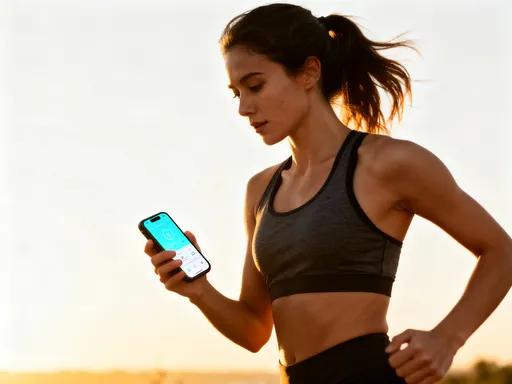
Look for apps that offer simple, visual summaries—like a weekly snapshot that shows your activity, energy, and consistency in one glance. No charts. No confusing graphs. Just a clear picture of how you’re doing. Some even use color codes or smiley faces to make it easy to read at a glance while sipping your morning coffee. And if it sends gentle reminders—‘You usually walk after dinner. Want to step out now?’—that’s even better. These small touches make the app feel like it knows you, not just tracks you.
Also, consider how easy it is to log things. If you have to tap five times to record a walk, you won’t do it. But if voice commands or automatic detection work smoothly, you’re more likely to stay consistent. The goal is frictionless tracking—so seamless that it becomes part of your routine, like brushing your teeth. And if the app learns your habits over time and adjusts its suggestions? That’s when it starts to feel like magic.
Building a Routine That Feels Effortless
The secret to lasting fitness isn’t willpower. It’s design. When you build a routine that fits your life—not fights it—staying active stops feeling like a battle. And your phone can help you design that. It’s not about doing more. It’s about making it easier to do what you already want to do.
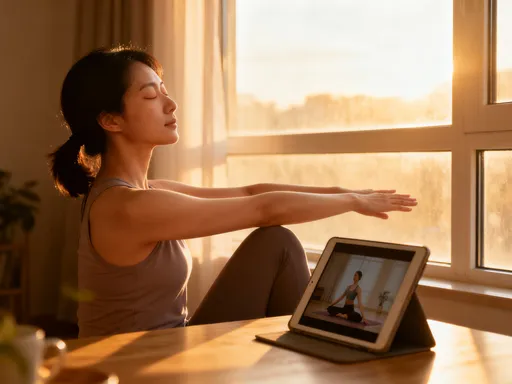
Start small. Pick one habit you’d like to strengthen—like walking after dinner or doing a short stretch in the morning. Then, link it to something you already do every day. For example, ‘After I pour my morning coffee, I’ll open my app and do five minutes of stretching.’ Or ‘After I load the dishwasher, I’ll take a 10-minute walk around the block.’ These tiny anchors make new habits stick because they ride on the coattails of existing ones.
Now, let your phone support you. Set a gentle reminder that says, ‘Time to move—your body will thank you.’ Or use voice notes to log how you feel after a workout. You can say, ‘That felt good,’ or ‘I’m tired but glad I did it,’ and the app can store that with your activity. Over time, you’ll see not just what you did, but how it made you feel. That emotional record is powerful. It reminds you why you started.
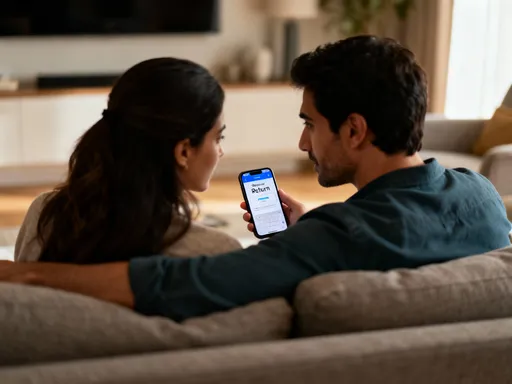
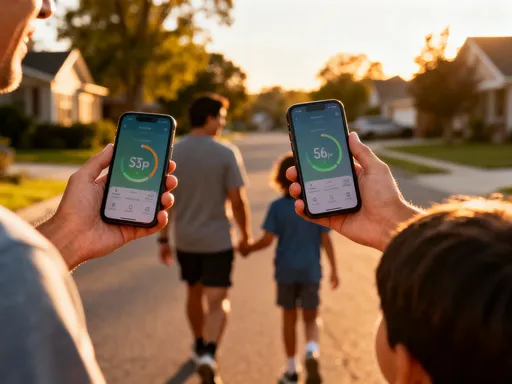
And don’t underestimate the power of sharing. Some apps let you share progress with a friend or family member—not for competition, but for connection. A simple message like, ‘Look what I did today!’ or ‘We both walked 30 minutes—great job!’ can boost motivation in a warm, human way. It turns fitness from a solo grind into a shared journey. And when life gets busy, that little nudge from someone who cares can make all the difference.
When Tech Meets Emotion: Staying Motivated Without Burnout
Motivation isn’t constant. Some days you’re fired up. Others, you can’t imagine lacing up your shoes. That’s normal. But too many fitness apps act like it’s not. They highlight missed goals in red, send push notifications like, ‘You’re falling behind,’ and make you feel like failure is just one skipped workout away. That kind of pressure doesn’t inspire—it exhausts.
What we need is emotional intelligence in our tools. We need apps that understand life happens. That know you had a late meeting, the kids were sick, or you just needed a rest. The best ones respond with kindness. Instead of scolding, they say, ‘Rest is part of progress. Ready when you are.’ They celebrate small wins—like logging a workout, even if it was short. They notice effort, not just outcomes.
Imagine opening your app and seeing, ‘You’ve moved on five days this week—that’s consistency! And your average energy is up. Great job listening to your body.’ That kind of feedback doesn’t just inform. It uplifts. It builds confidence. It reminds you that fitness isn’t about perfection. It’s about showing up, again and again, in whatever way you can.
And when setbacks come—and they will—the right app helps you bounce back gently. It might suggest a lighter workout, offer a breathing exercise, or simply say, ‘You’ve got this.’ That emotional support turns fitness into a kinder journey. It’s not about pushing harder. It’s about moving forward with care. And when your phone speaks to you like a true friend, you’re more likely to keep going, even on the hard days.
Your Phone, Your Partner: Redefining Fitness Together
Fitness doesn’t have to be loud, punishing, or full of guilt. It can be quiet, kind, and deeply personal. And your phone? It doesn’t have to be a source of distraction. It can be your most thoughtful ally. When you choose tools that listen, respond, and support you—not just track you—you change the whole experience. It stops being about numbers on a screen and starts being about understanding yourself.
You’re not just logging workouts. You’re learning what fuels your energy, what calms your mind, what makes you feel strong. And that knowledge? That’s power. It’s the kind of power that helps you show up for your family, your work, and yourself with more presence and less stress. You’re not chasing perfection. You’re building a life that feels good.
So the next time you reach for your phone, don’t just scroll. Let it support you. Let it remind you of your wins. Let it help you see your progress, even when it’s small. Because you’re not alone in this. You have a partner—one that learns your rhythm, respects your pace, and walks beside you, step by step. And that might be the smartest workout decision you ever make.